Skip to content
+90 544 207 11 09 info@maniciciftlik.com İlyasfakı, Ayvacık / Çanakkale
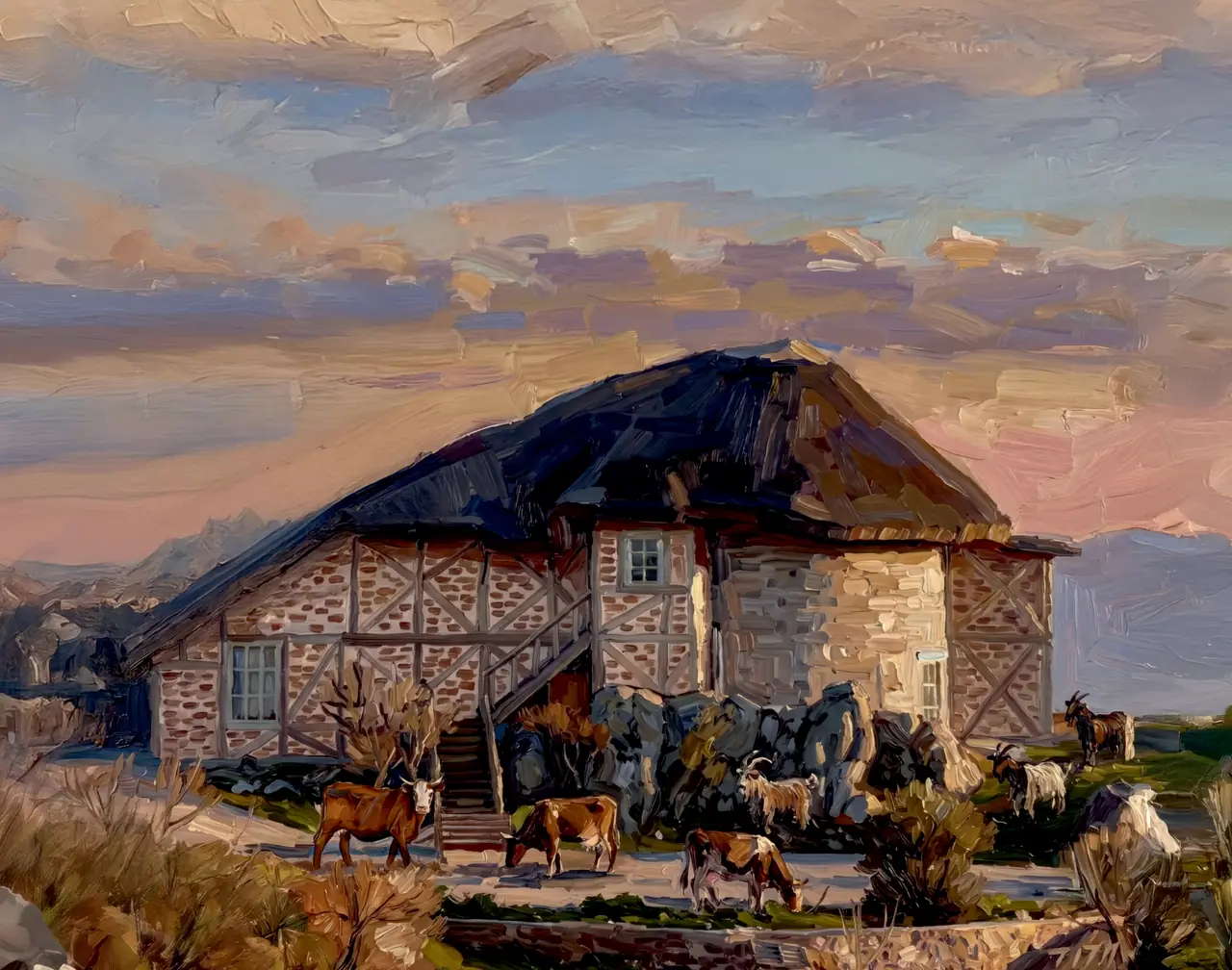
Oil painting: the stone and timber dairy at sunset, with cows and goats in front

Manici Dairy

Manici Mandıra

Download the book as a PDF (2.8 MB)

Foreword / Önsöz

Every cheese comes from somewhere. Edam from a harbour town, Gouda from a weighing square, Cheddar from an English village, Mimolette from a king’s stubbornness. These are recipes gathered over centuries, shaped the world over by the milk of a place and the hands of its people. At Manici we make these recipes again, with our own milk. The starting point is always the same: milk. The milk of our own Jersey cows and our own goats. A cheese is made not by its recipe alone but by the milk itself: which animal it came from, in which season, on what feed. Our Edam is born of the lighter milk of winter, our Gouda of the pasture milk of spring. The same herd, the same hands; yet each cheese carries its own season, its own character. This book is the story of those cheeses. On each page you will find where a cheese comes from, and how we make it ours.

Her peynir bir yerden gelir. Edam bir liman kasabasından, Gouda bir tartı meydanından, Cheddar bir İngiliz köyünden, Mimolette bir kralın inadından. Bunlar yüzyılların biriktirdiği tariflerdir; dünyanın dört bir yanında, o toprağın sütüyle ve o insanların eliyle şekillenmiş. Biz Manici’de bu tarifleri kendi sütümüzle yeniden yapıyoruz. Başladığımız yer hep aynı: süt Jersey ineklerimizin ve keçilerimizin sütü. Bir peyniri o peynir yapan yalnızca tarif değil, sütün kendisidir: hangi hayvandan geldiği, hangi mevsimde, ne yiyerek. Edam’ımız kışın hafif sütünden doğar, Gouda’mız ilkbaharın çayır sütünden. Aynı sürü, aynı eller; ama her peynir kendi mevsimini, kendi karakterini taşır. Bu kitap, o peynirlerin hikâyesidir. Her sayfada bir peynirin nereden geldiğini ve bizde nasıl yapıldığını bulacaksınız.

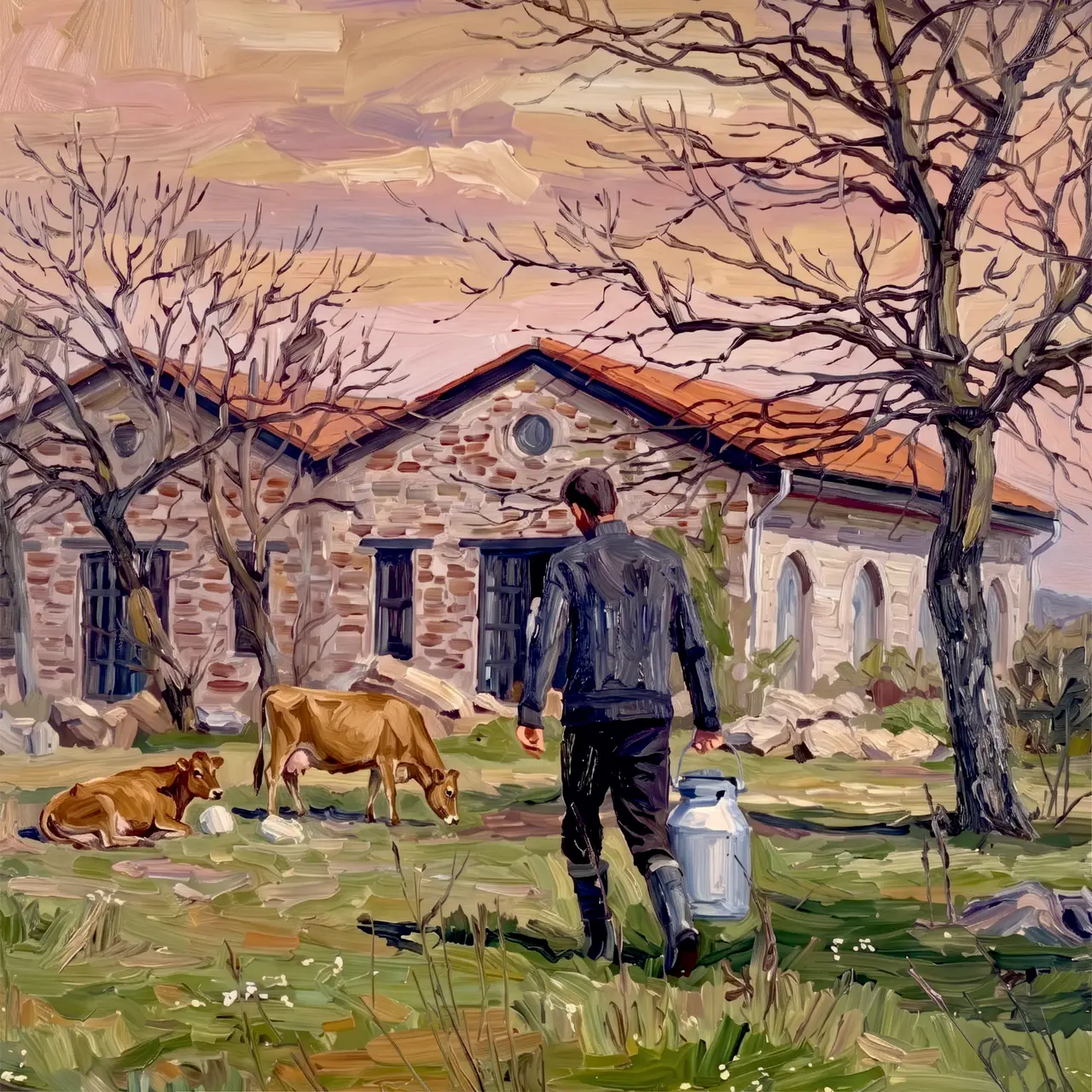
Oil painting: a man carrying a milk churn past two cows and a stone building
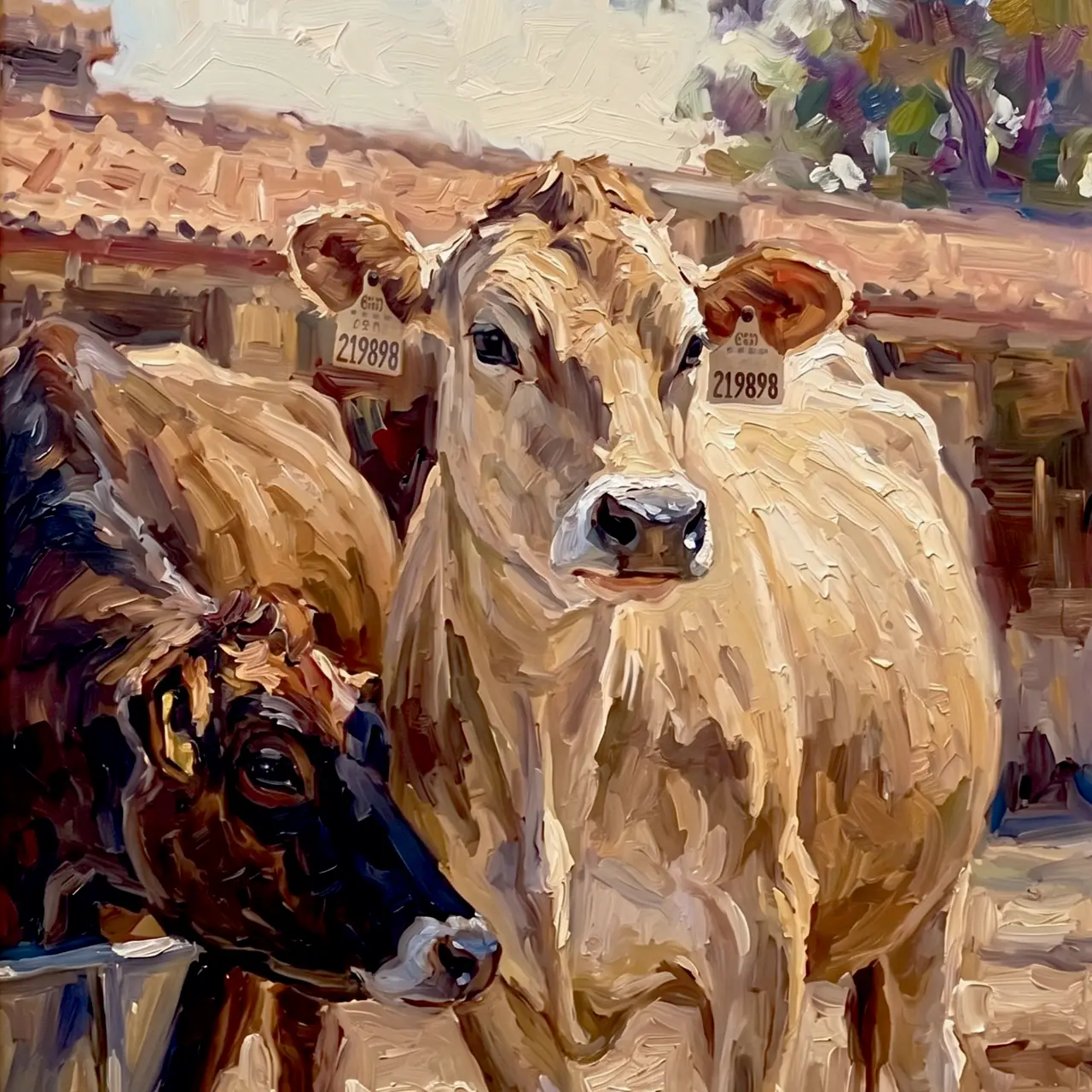
Oil painting: two Jersey cows in front of a tiled barn

Cow Cheeses / İnek Peynirleri

Our cow’s cheeses are made from our Jersey cows’ milk: Assos, Tunç, Manici Blue, İnkaya and Kök.

At Manici the calendar sets the colour inside our Dutch cheeses. Our Edam is born of the leaner milk of autumn and winter, when the herd is fed indoors, so its paste is pale, ivory. Our Gouda begins in spring, when the cows reach the first fresh grass; the carotene of the pasture passes into the milk, and into the cheese, as that golden yellow. The same herd, the same method; two seasons, two cheeses.

İnek peynirlerimizi Jersey ineklerimizin sütünden yapıyoruz: Assos, Tunç, Manici Mavi, İnkaya ve Kök.

Manici’de Hollanda peynirlerimizin rengini takvim belirler. Edam’ımız, hayvanların içeride beslendiği sonbahar ve kış aylarının sütünden doğar; bu yüzden içi açık, fildişi rengindedir. Gouda’mız ilkbaharda başlar, inekler ilk taze çayıra çıktığında; taze otun sarısı önce süte, sonra peynire geçer. Aynı sürü, aynı yöntem; iki mevsim, iki peynir.

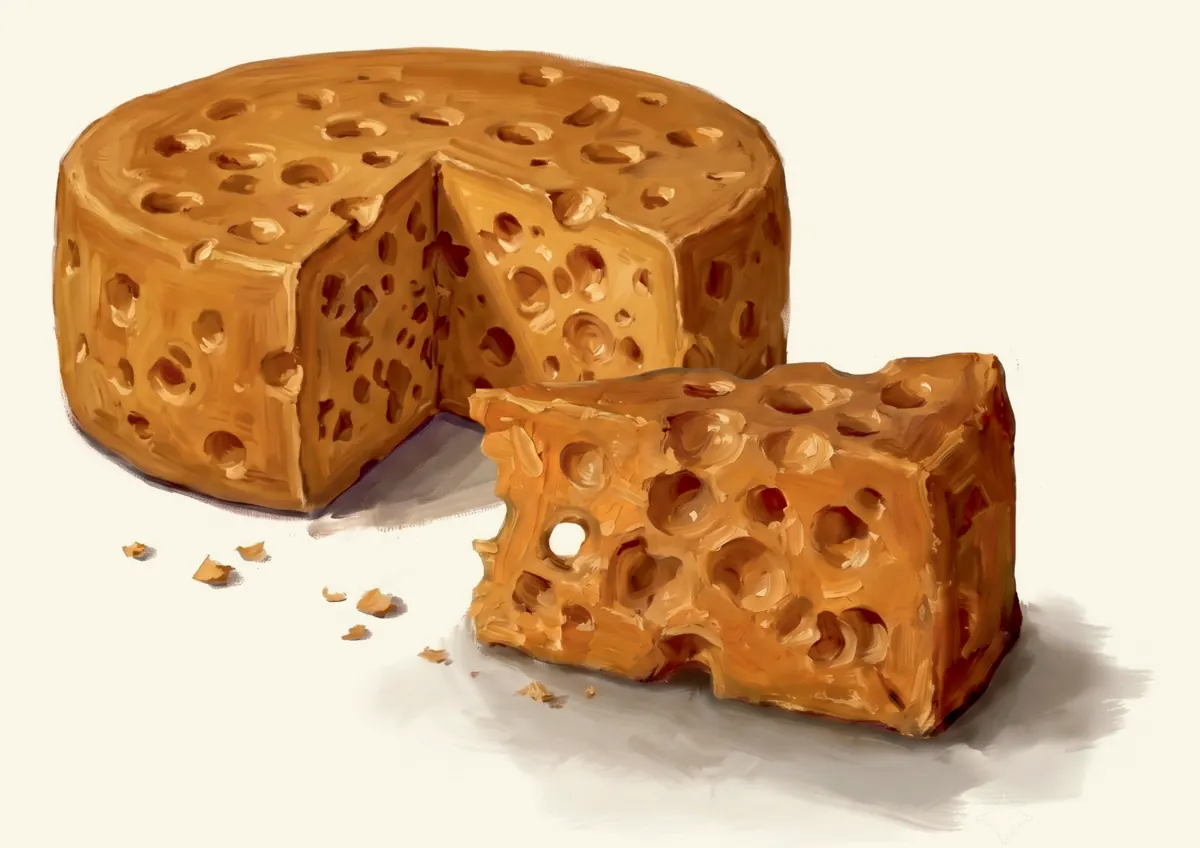
Assos

Assos, oil illustration

Walnut · Apricot · Thyme · Nigella · Blueberry · SmokedCevizli · Kayısılı · Kekikli · Çörekotlu · Yaban Mersinli · İsli

At the Table / Sofrada

With a light, fruity red or a dry white. Alongside, fresh apple, pear and walnut.

Hafif, meyveli bir kırmızı ya da sek bir beyazla. Yanında taze elma, armut ve ceviz.

Origin / Köken

Imagine a cheese that could withstand the sea: its fat removed, its body firm, its surface sealed in wax, able to endure months of sea voyages without spoiling. Edam was made for this. It takes its name from the small harbour town in northern Holland where it was born, and was carried by ships to the far corners of the world. We have a harbour of our own: Assos, descending step by step from the cliffs below the farm to the sea. If we are making a cheese born for journeys, let its name come from the place that has long guided the way: our harbour. Soft, subtly nutty and perfect for slicing, Edam is known not for its hardness, but for its elegance.

Bir peynir düşünün, denize dayansın. Yağı alınmış, gövdesi sıkı, üstü mumla mühürlü; aylar süren deniz yolculuklarında bozulmadan taşınsın. Edam bunun için yapıldı. Adını, doğduğu kuzey Hollanda’daki küçük liman kasabasından aldı ve gemilerle dünyaya yayıldı. Bizim de bir limanımız var: Çiftliğin aşağısında, kayalıklardan denize basamak basamak inen Assos. Yolculuk için doğmuş bir peynir yapıyorsak, adı da yol veren yerden gelsin: bizim limanımızdan. Yumuşak, hafif fındıksı ve dilime uygun Edam; sertliğiyle değil, zarafetiyle tanınır.

At Manici / Manici’de

Our Edam comes from the milk of our own Jersey cows, a breed known for the richness of its milk. We make it from the lighter milk of the year: from autumn until the cows return to pasture. Fed indoors in these months, the herd gives leaner milk, so the cheese turns out naturally paler and firmer. Its wheel wears our yellow coat, but inside it is the ivory of quiet winter milk.

Edam’ımız kendi Jersey ineklerimizin sütünden. Jersey, sütünün zenginliğiyle tanınan bir ırk. Edam’ı yılın hafif sütünden yapıyoruz: sonbahardan, inekler çayıra çıkana dek. Bu dönem hayvanlar içeride beslendiği için süt daha az yağlı olur; peynir de doğal olarak daha açık, daha sıkı çıkar. Kabuğu sarı kaplamamızı taşır ama içi, o sakin kış sütünün fildişidir.
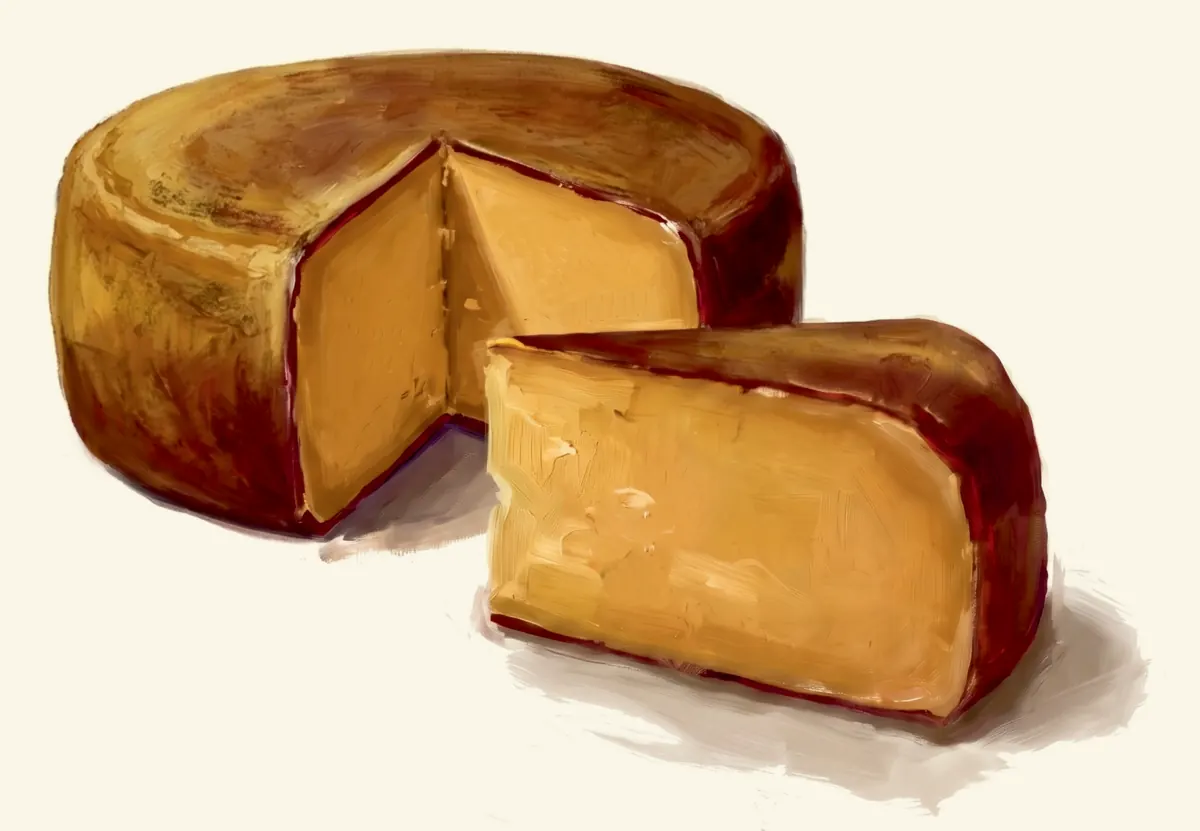
Tunç

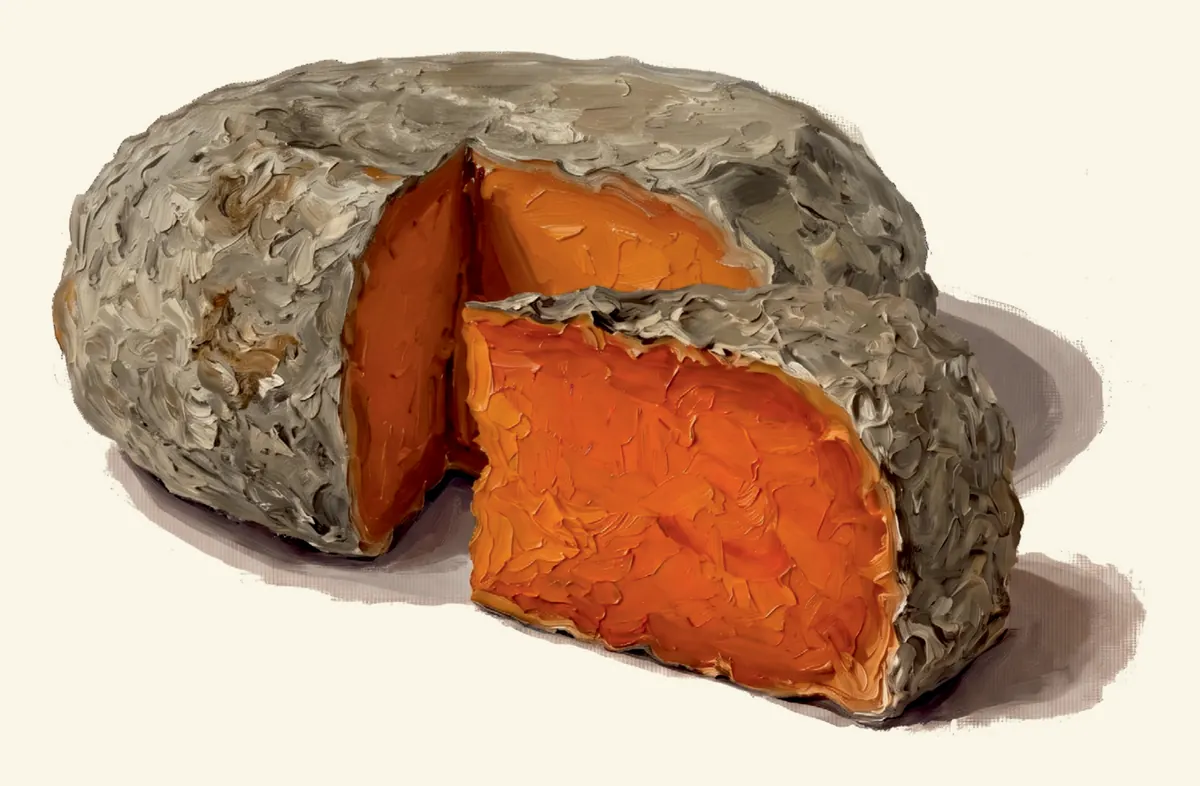
Tunç, oil illustration

At the Table / Sofrada

With an aged red or a glass of port. Alongside, a dark beer and dried apricot.

Yıllanmış bir kırmızı ya da bir kadeh Porto ile. Yanında koyu bir bira ve kuru kayısı.

Origin / Köken

Across from us is the plain of Troy. The star city of the Bronze Age, Troy stood at the gateway of the Dardanelles, commanding trade between two seas. One of the world’s oldest stories unfolded beneath its walls, among bronze spears, shields and helmets. Mount Ida, the mountain of the Iliad, is today our Kaz Mountains. Mimolette is a cheese worthy of this story. Round as a ball, with a vivid orange interior, it darkens and hardens as it ages. When cut open, its colour is like bronze glowing in the sun. Its story leads back to Edam. When the import of Edam into France was banned in the 17th century, cheesemakers in Lille created Mimolette at the request of Louis XIV, inspired by Edam. To distinguish it from its Dutch counterpart, they coloured its interior orange. Its name comes from mi-mou, meaning “semi-soft”.

Karşı ova, Troya’nın ovasıdır. Tunç Çağı’nın yıldız şehri Troya, Boğaz’ın kapısında iki denizin ticaretine hükmediyordu. Dünyanın en eski hikâyelerinden biri, tunç mızraklar, kalkanlar ve miğferlerle onun surlarının dibinde geçti. İlyada’nın dağı İda ise bugün bizim Kaz Dağları’mız. Mimolette de bu hikâyeye yakışan bir peynirdir. Top gibi yuvarlak, içi parlak turuncu; bekledikçe koyulaşır ve sertleşir. Kesildiğinde görünen rengi, güneşte parlayan tunç gibidir. Hikâyesi Edam’a uzanır. 17. yüzyılda Edam’ın Fransa’ya ithalatı yasaklanınca, XIV. Louis’nin isteğiyle Lille’li peynir üreticileri Edam’dan esinlenerek Mimolette’i yaptı. Edam’dan ayrışması için içini turuncuya boyadılar. Adını ise “yarı yumuşak” anlamındaki mi-mou kelimesinden aldı.

At Manici / Manici’de

For us Mimolette is Edam’s sibling: same root, but the French answer. We make it from our own Jersey cows’ milk, its orange drawn from annatto seed as the tradition does. As it ages it firms into a nutty, salty character.

Mimolette bizim için Edam’ın kardeşi: aynı kökten gelen Fransız yanıtı. Jersey ineklerimizin sütünden yapıyoruz; turuncu rengini, geleneğinde olduğu gibi annatto tohumundan alır. Olgunlaştıkça sertleşir, fındıksı ve tuzlu bir karakter kazanır.

Manici Blue

Manici Mavi

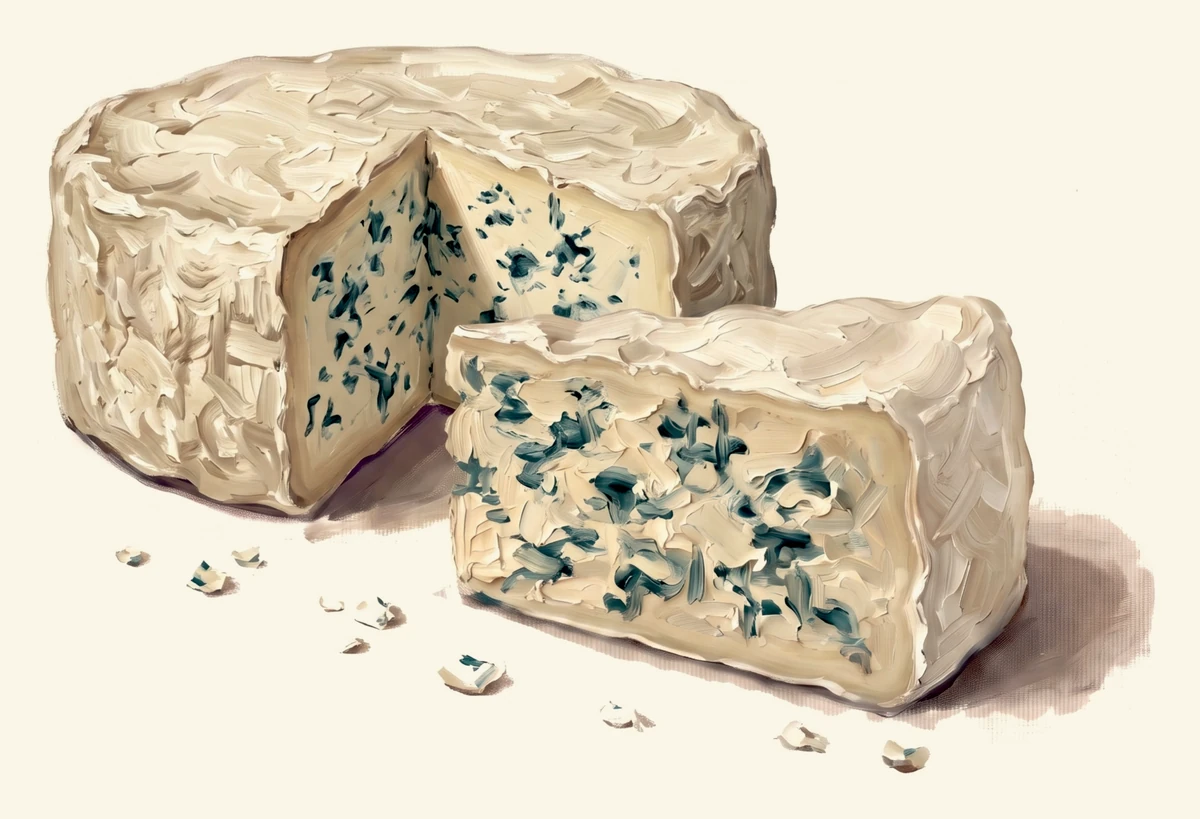
Manici Blue, oil illustration

At the Table / Sofrada

A sweet wine (Sauternes or late harvest) makes a fine contrast. Alongside, pear, walnut and honey.

Tatlı bir şarap (Sauternes ya da geç hasat) güzel bir zıtlık kurar. Yanında armut, ceviz ve bal.

Origin / Köken

In blue cheeses the mould grows not on the rind but within the paste; air entering through needle-pierced channels feeds the blue-green veins. Blues made from cow’s milk are the softest, creamiest, most buttery side of the family, less sharp than goat or sheep, rounder and fuller. Italy’s Gorgonzola is the best known of this tradition.

Mavi peynirlerde küf, kabukta değil peynirin içinde büyür; iğnelerle açılan ince kanallardan giren hava, mavi-yeşil damarları besler. İnek sütünden yapılan maviler bu ailenin en yumuşak, en kremsi tarafıdır; keçi ya da koyununki kadar keskin değil, daha yuvarlak ve dolgundur. İtalya’nın Gorgonzola’sı bu geleneğin en tanınmış örneğidir.

At Manici / Manici’de

We make it from the rich milk of our own Jersey cows; the milk’s fat and body give the blue its buttery, soft base. The blue mould brings sharpness, but the milk’s cream rounds it; not aggressive, a balanced blue.

Jersey ineklerimizin zengin sütünden yapıyoruz. Sütün yağı ve dolgunluğu, maviye o tereyağımsı yumuşak zemini verir. Mavi küf keskinliği getirir ama sütün kreması onu yuvarlar: sert değil, dengeli bir mavi.

İnkaya

İnkaya, oil illustration

At the Table / Sofrada

With a full, mature red. Alongside, an amber ale, apple and pickles.

Dolgun, olgun bir kırmızıyla. Yanında kehribar bir bira, elma ve turşu.

Origin / Köken

In southwest England lies a village named after the deep gorge beside it: Cheddar. The caves where the cheese was born stayed cool in summer and damp in winter, making them the perfect place for the villagers to age their cheese. Because what makes Cheddar truly Cheddar is patience. After months, sometimes years, of ageing, its body becomes firmer, its flavour sharper, and tiny crystals begin to crackle beneath the teeth. İnkaya is the Turkish word for that cave: a hollow within the rock. Its name comes from the place where the cheese learned patience.

İngiltere’nin güneybatısında, adını yanı başındaki derin kaya yarığından alan bir köy var: Cheddar. Peynirin doğduğu mağaralar, yazın serin, kışın nemli kalırdı; köylüler peyniri burada bekletirdi. Çünkü Cheddar’ı Cheddar yapan, bekleyiştir. Aylar, bazen yıllar süren olgunlaşmayla gövdesi sertleşir, tadı keskinleşir ve içinde diş altında çıtırdayan minik kristaller belirir. İnkaya, o mağaranın Türkçesidir: kayanın içindeki oyuk. Adı, peynirin sabrı öğrendiği yerden gelir.

At Manici / Manici’de

We make our Cheddar from the milk of our own Jersey cows; the milk’s richness gives the cheese a golden interior and a full body. As it ages it sharpens, and nutty notes emerge.

Cheddar’ımızı Jersey ineklerimizin sütünden yapıyoruz. Sütün zenginliği peynire altın sarısı bir iç, dolgun bir gövde verir. Olgunlaştıkça keskinleşir, fındıksı notalar belirir.

Kök

Kök, oil illustration

At the Table / Sofrada

With a chilled rosé or a fruity white. Alongside, melon, grapes and fresh walnut.

Soğukça bir rosé ya da meyveli bir beyazla. Yanında kavun, üzüm ve taze ceviz.

Origin / Köken

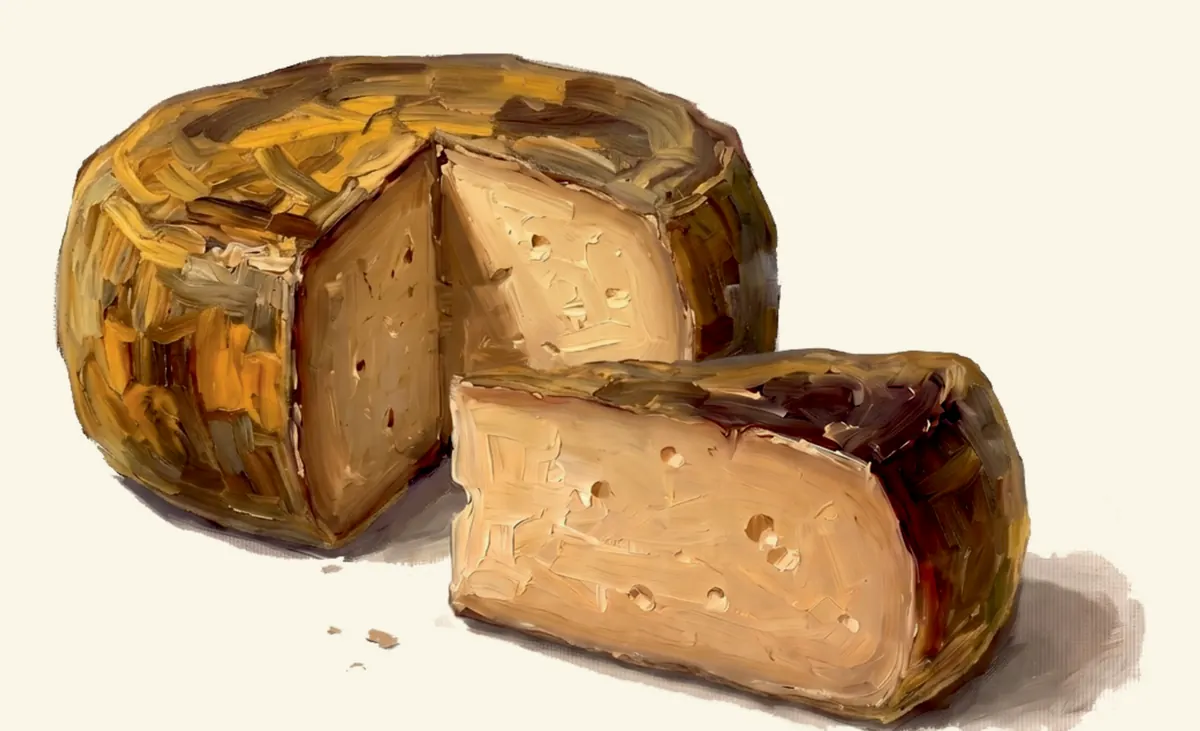
The first milk ever cultured in this dairy’s vats became a Gouda; we learned from it and grew with it. We still make it at the same time each year, in spring, when the cows first step into the fresh pasture. The yellow of the meadow passes first into the milk, then into the cheese; when sliced, its golden colour is, in fact, the colour of the grass itself. In Old Turkish, ‘kök’ is a shared word for the sky and the colour green. The name of this cheese tells two stories at once: the meadow that gives it its colour, and the place where we began. Gouda is one of the Netherlands’ most famous cheeses. Made from full-fat milk, it is creamy and subtly sweet when young, developing notes of caramel and hazelnut as it ages.

Bu mandıranın kazanında ilk mayalanan süt bir Gouda oldu; ondan öğrendik, onunla büyüdük. Onu hâlâ her yıl aynı zamanda, ilkbaharda, inekler taze çayıra çıktığında yapıyoruz. Çayırın sarısı önce süte, sonra peynire geçer; kesildiğinde görünen altın renk, aslında otun kendisidir. Eski Türkçede kök, göğün ve yeşilin ortak adıdır. Bu peynirin adı da iki şeyi birden anlatır: rengini aldığı çayırı ve bizim başladığımız yeri. Gouda, Hollanda’nın en ünlü peyniridir. Tam yağlı sütten yapılır; gençken kremsi ve tatlımsı, yıllandıkça karamel ve fındık notalarına dönüşür.

At Manici / Manici’de

We make Gouda from the most precious milk of the year: in spring, when our own Jersey cows reach the first fresh pasture. Then the milk is at its richest and most golden; the colour of young grass passing straight into it, and into the cheese. In the Netherlands, cheese from this first-pasture milk carries its own name: graskaas, “grass cheese.” So what we make in spring is at once both Gouda and graskaas. This milk is so fine we add nothing to it and leave it plain; its only dress is the yellow coat. Once cut, the paste runs gold; the colour of the pasture.

Gouda’yı yılın en değerli sütünden yapıyoruz: ilkbaharda, Jersey ineklerimiz ilk taze çayıra çıktığında. Süt o dönem en zengin, en sarı hâlindedir; taze otun rengi doğrudan süte, oradan peynire geçer. Hollanda’da ilk çayır sütünden yapılan bu peynirin ayrı bir adı bile vardır: graskaas, yani “çayır peyniri.” İlkbaharda yaptığımız şey böylece hem Gouda olur hem graskaas. Süt o kadar iyidir ki hiçbir şey katmayız, olduğu gibi bırakırız; tek süsü sarı kaplamasıdır. Kesildiğinde altın sarısı bir iç çıkar: çayırın rengi.

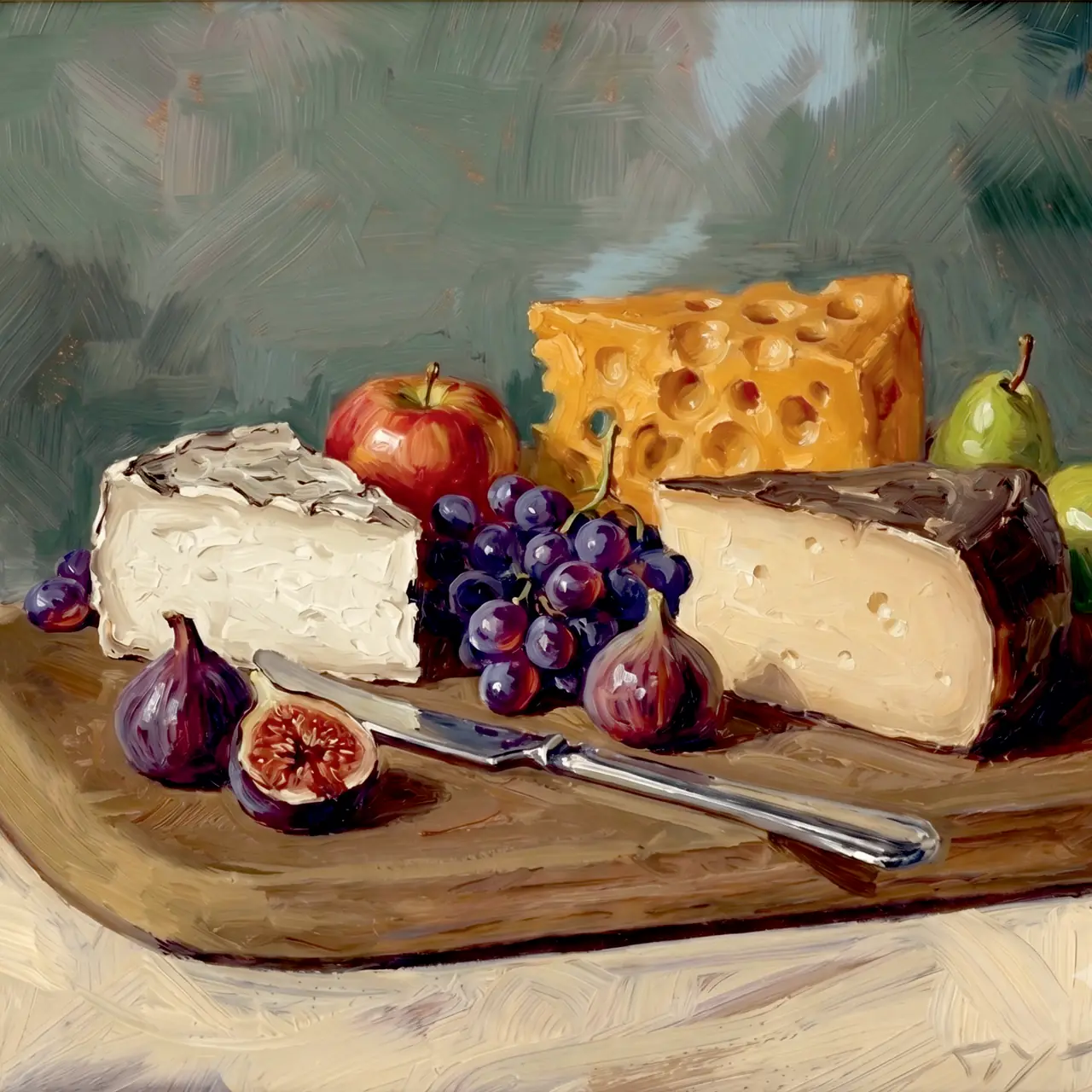
Oil still life: cheeses, grapes, figs and an apple on a wooden board
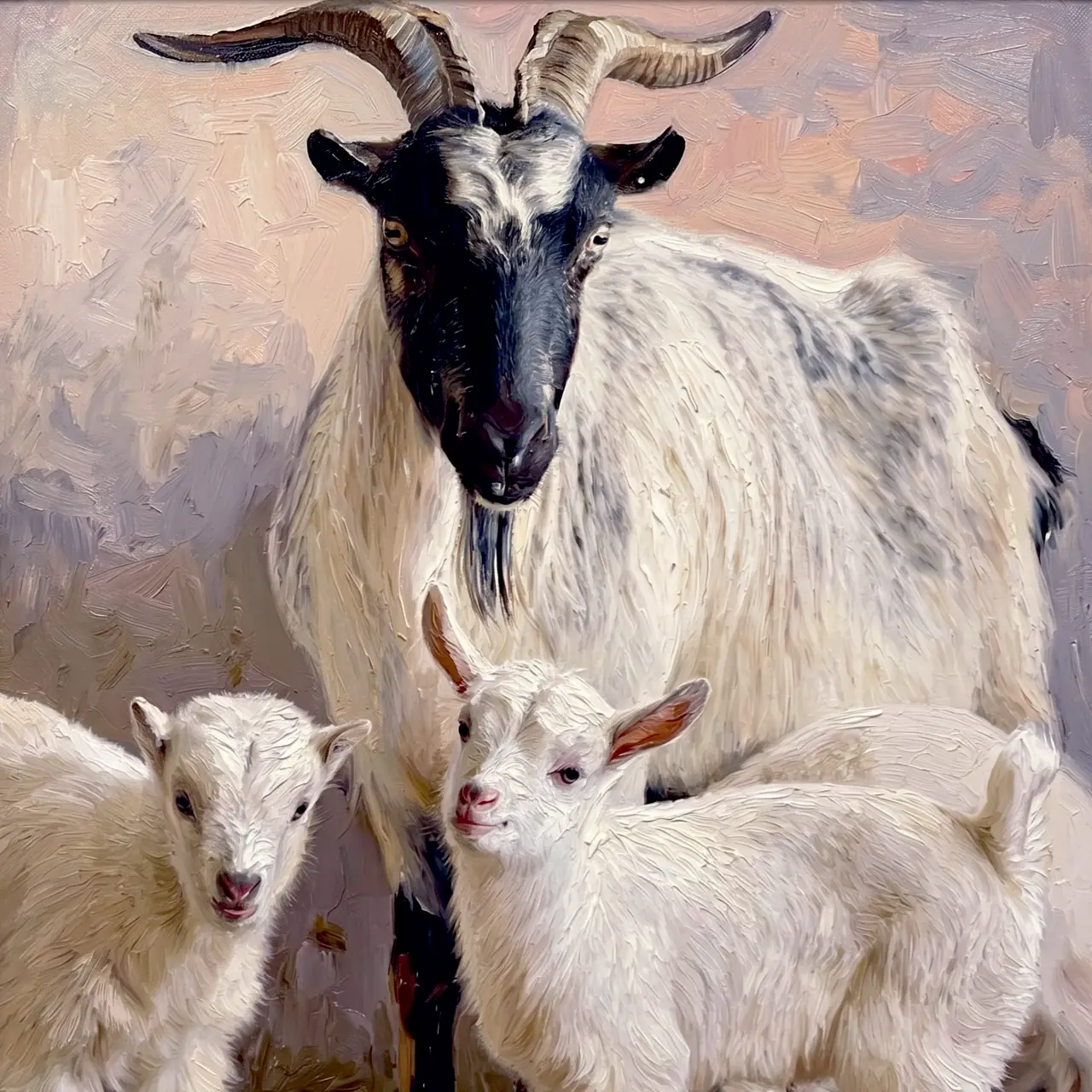
Oil painting: a long-horned goat with two white kids

Goat Cheeses / Keçi Peynirleri

From the milk of our own goats, raised on fresh grass here at the farm, come three cheeses: Teke, Alaca and Kara Keçi. Goat’s milk is leaner than cow’s but sharper, more characterful.

Çiftlikte taze otla beslenen keçilerimizin sütünden üç peynir geliyor: Teke, Alaca ve Kara Keçi. Keçi sütü inek sütünden daha yağsız, ama daha keskin ve karakterli.

Teke

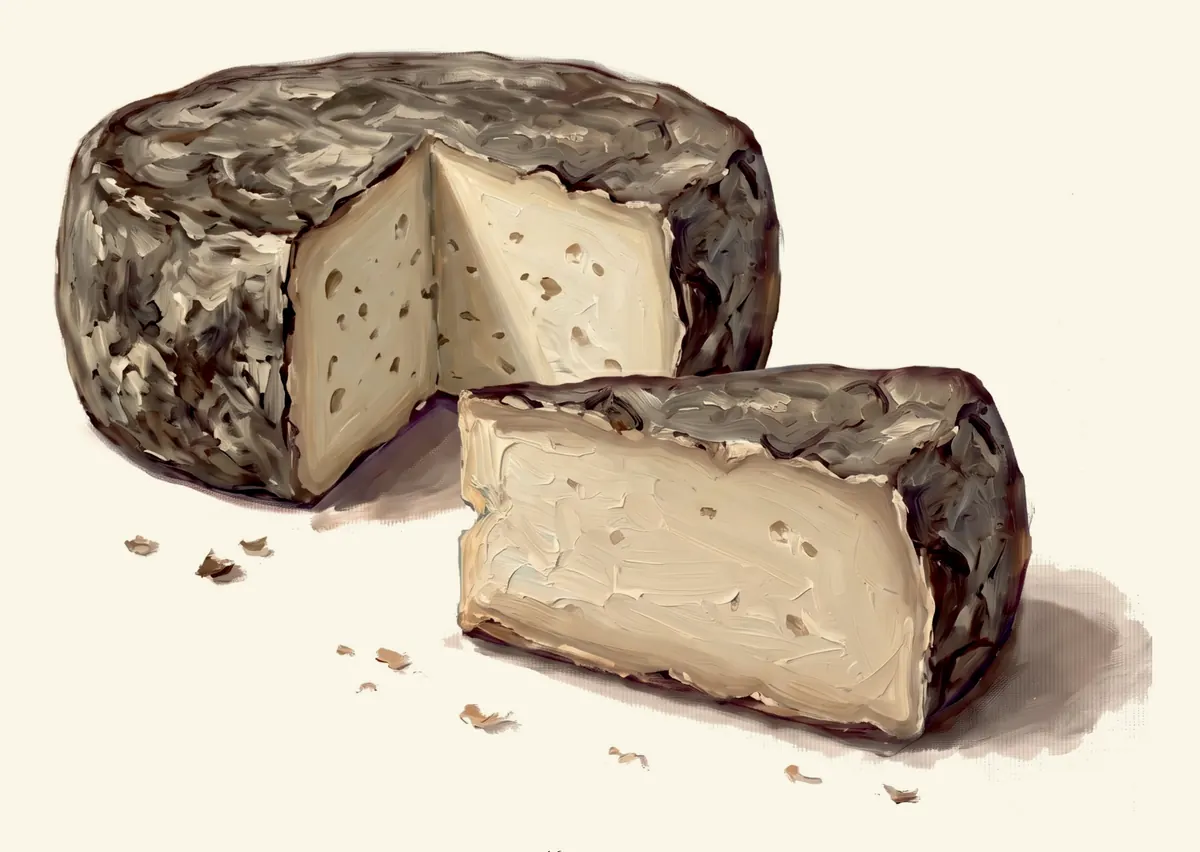
Teke, oil illustration

At the Table / Sofrada

With a dry, fresh white. Alongside, fresh bread, walnut and grapes.

Sek, taze bir beyaz şarapla. Yanında taze ekmek, ceviz ve üzüm.

Origin / Köken

Tomme is the mountain cheese of the French Alps; its name means simply “a wheel of cheese made in the mountains.” Its origin is thrift and ingenuity: after the cream was taken for butter, villagers turned the milk that remained into this cheese, wasting nothing. Made from cow’s, sheep’s or goat’s milk, it carries an earthy, nutty, mushroomy depth.

Tomme, Fransız Alpleri’nin dağ peyniri; adı dağ lehçesinde “dağda yapılan peynir tekeri” demek. Kökeninde tutumluluk var: köylüler kremayı tereyağına ayırdıktan sonra geriye kalan sütü ziyan etmez, ondan bu peyniri yapardı. İnek, koyun ya da keçi sütünden olur. Toprağımsı, fındıksı, hafif mantar kokan bir derinliği vardır.

At Manici / Manici’de

We make our Tomme from the milk of our own goats. Tomme is the cheese that shows milk’s character most plainly; it adds no adornment, taking the milk into the wheel as it is. Beneath its plain coat lies the grassy sharpness of milk from goats raised on our farm’s fresh grass.

Tomme’umuzu keçilerimizin sütünden yapıyoruz. Tomme, sütün karakterini en yalın gösteren peynirdir: süslemeye gitmez, sütü olduğu gibi tekere alır. Sade kaplamasının altında, taze otla beslenen keçilerimizin sütündeki otsu keskinlik durur.

Alaca

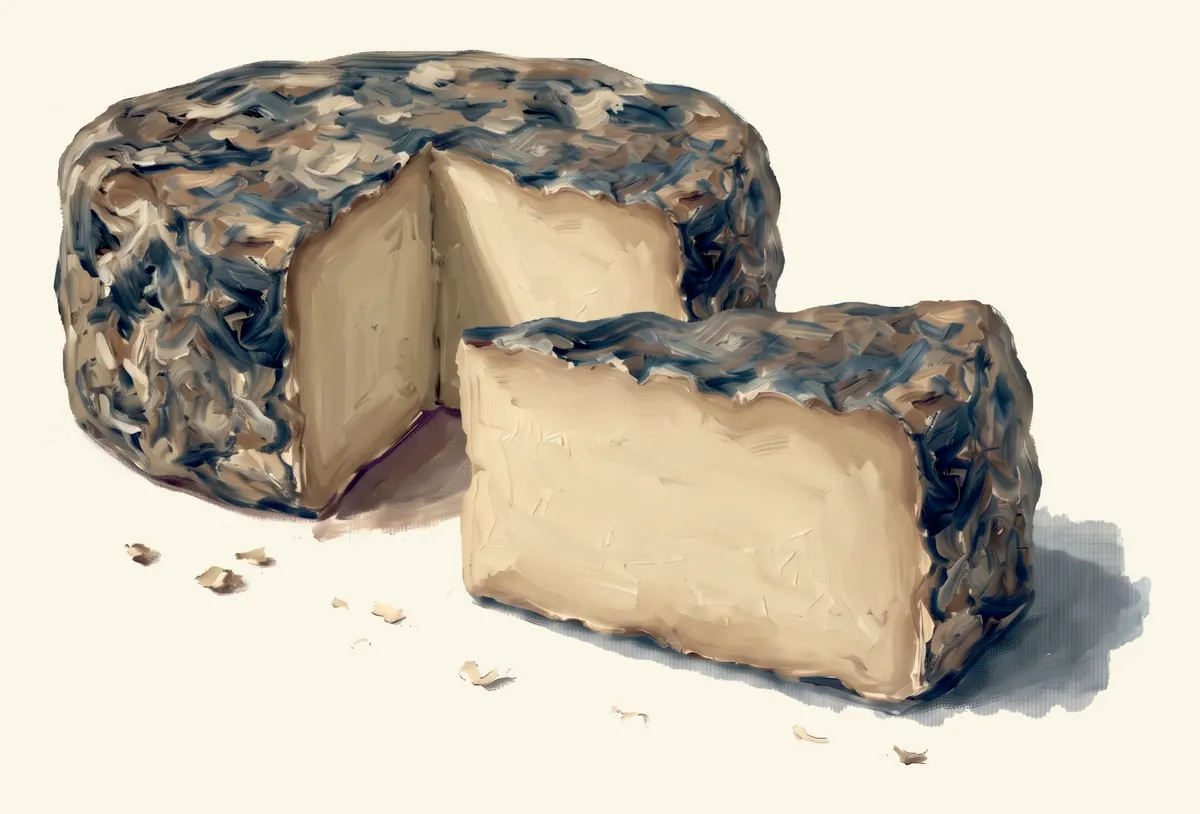
Alaca, oil illustration

At the Table / Sofrada

A glass of champagne or sparkling wine lifts its freshness. Alongside, fresh figs and walnut.

Bir kadeh şampanya ya da köpüklü şarap tazeliğini açar. Yanında taze incir ve ceviz.

Origin / Köken

In some soft cheeses the rind forms not from one mould but from several working together: a white mould wraps the surface while natural blue-grey moulds develop in flecks alongside it. This mixed rind ripens the cheese from the outside in, giving it both softness and an earthy depth.

Bazı yumuşak peynirlerde kabuğu tek bir küf değil, birlikte çalışan birkaç küf oluşturur: beyaz küf yüzeyi sarar, yanında doğal mavi-gri küfler benek benek gelişir. Bu karışık kabuk peyniri dıştan içe olgunlaştırır; ona hem yumuşaklık hem toprağımsı bir derinlik katar.

At Manici / Manici’de

We set this cheese with the goat’s milk’s own acidity, using almost no rennet. The curd is never forced; it forms slowly, on its own, over a day, so the texture is at once crumbly and creamy, the taste gently lemony. On the surface, white and blue moulds work together, softening the goat’s sharpness; as it ripens, the inside begins to flow toward the rind. The exterior takes on a mottled look, blue-grey flecks over white, and from this it takes its name: Alaca, “the mottled one.”

Bu peyniri, keçi sütünün kendi asidiyle, neredeyse hiç maya katmadan kuruyoruz. Pıhtıyı zorlamayız; bir gün boyunca kendiliğinden, yavaş yavaş oluşur. Bu yüzden dokusu hem ufalanır hem kremsidir, tadı hafif limonlu. Yüzeyde beyaz ve mavi küf birlikte çalışır, keçinin keskinliğini yumuşatır; olgunlaştıkça iç, kabuğa doğru akmaya başlar. Dışı beyaz zemin üzerine mavi-gri benekli, alacalı bir görünüm alır: adını da buradan alır.

Kara Keçi

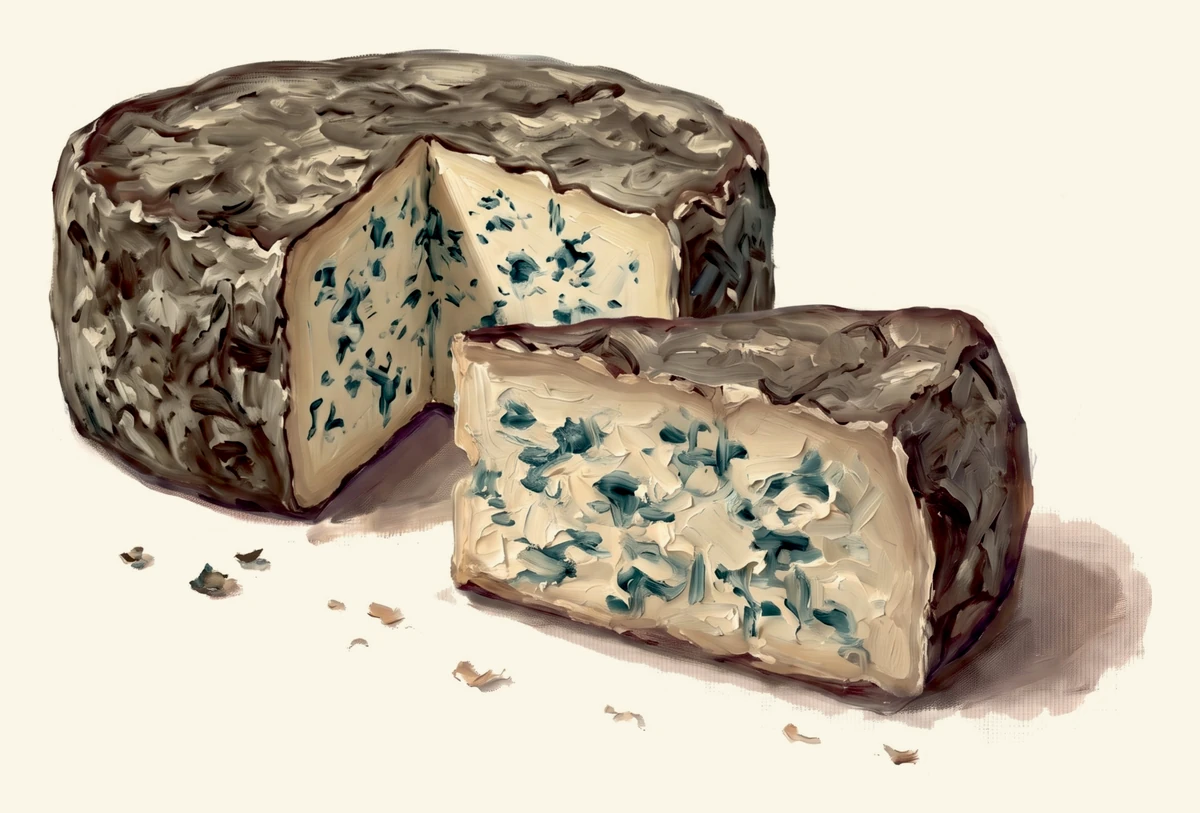
Kara Keçi, oil illustration

At the Table / Sofrada

With a sweet or powerful red. Alongside, pear, walnut and dark chocolate.

Tatlı ya da kuvvetli bir kırmızıyla. Yanında armut, ceviz ve koyu çikolata.

Origin / Köken

In blue cheese the mould grows not on the rind but within. The cheese is pierced with needles; the air that seeps in lets blue-green veins open through the paste, giving it its sharp, spicy, melt-in-the-mouth character. The tradition traces to the Roquefort caves of France and a shepherd’s legend.

Mavi küflü peynirde küf içeride büyür. Peynir iğnelerle delinir; sızan hava, mavi-yeşil damarların içeriye doğru açılmasını sağlar. Bu damarlar peynire keskin, baharatlı, ağızda dağılan bir karakter verir. Geleneğin kökü, Fransa’nın Roquefort mağaralarına ve eski bir çoban efsanesine dayanır.

At Manici / Manici’de

This is a blue goat’s cheese; we use no added rind, and as the blue ripens the surface darkens on its own. That dark, almost black exterior is what gave it its name: Kara Keçi, “the black goat.” The sharpness of our milk meets the spice of the blue here; the milk is strong enough to carry it, a mould that would overwhelm most milks holding its balance with ours. Bold, but not unruly.

Bu bir mavi küflü keçi peyniri. Kabuk kullanmıyoruz; küf olgunlaştıkça dışı kendiliğinden koyulaşır. O koyu, neredeyse siyaha çalan görünüşü ona adını verdi: Kara Keçi. Keçi sütünün keskinliği burada mavi küfün baharatıyla buluşur. Sütümüz yeterince güçlü olduğu için maviyi taşır; çoğu sütü ezip geçecek bir küf, bizimkiyle dengede kalır. Cesur, ama dağınık değil.

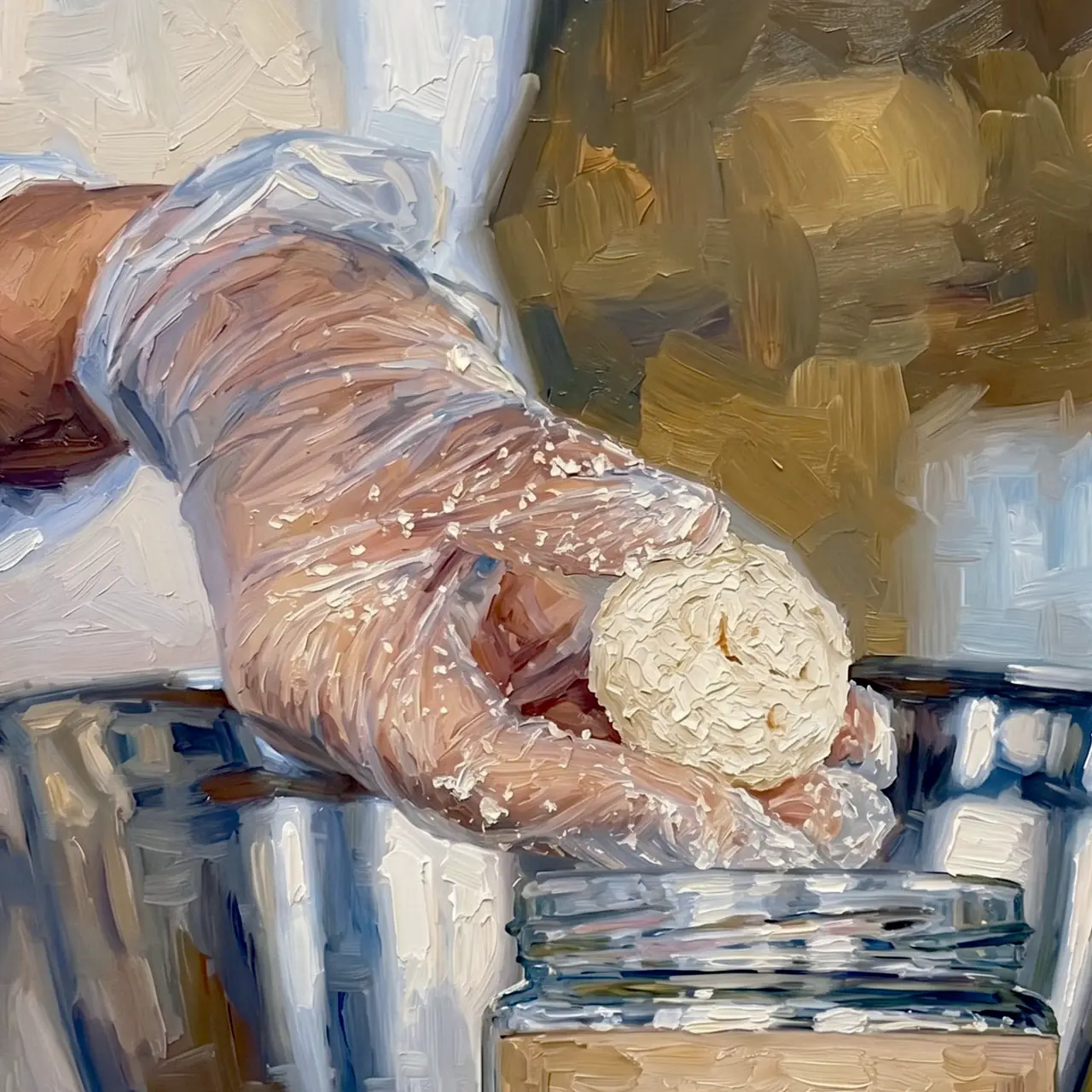
Oil painting: a gloved hand shaping fresh cheese

Fresh Cheese & Dairy Products / Taze Peynirler & Süt Ürünleri

At Manici, milk arrives at the vat every morning. Some is set aside for cheeses that will age, some for products consumed the same day. The eight products in this book belong to the second group: delivered the day they are made, never held back, never frozen. Some are classics of Italian cuisine, others are daily staples of our own dairy tradition. What they share is a direct relationship with fresh milk.

Manici’de süt her sabah aynı tekneye gelir. Bir kısmı olgunlaşacak peynirlere ayrılır, bir kısmı o gün tüketilecek ürünlere. Bu kitaptaki sekiz ürün ikinci gruptan: üretim günü teslim edilir, bekletilmez, dondurulmaz. Bazıları İtalyan mutfağının klasikleri, bazıları kendi mandıra geleneğimizin günlük ürünleri. Ortak noktaları taze sütle kurdukları doğrudan ilişki.

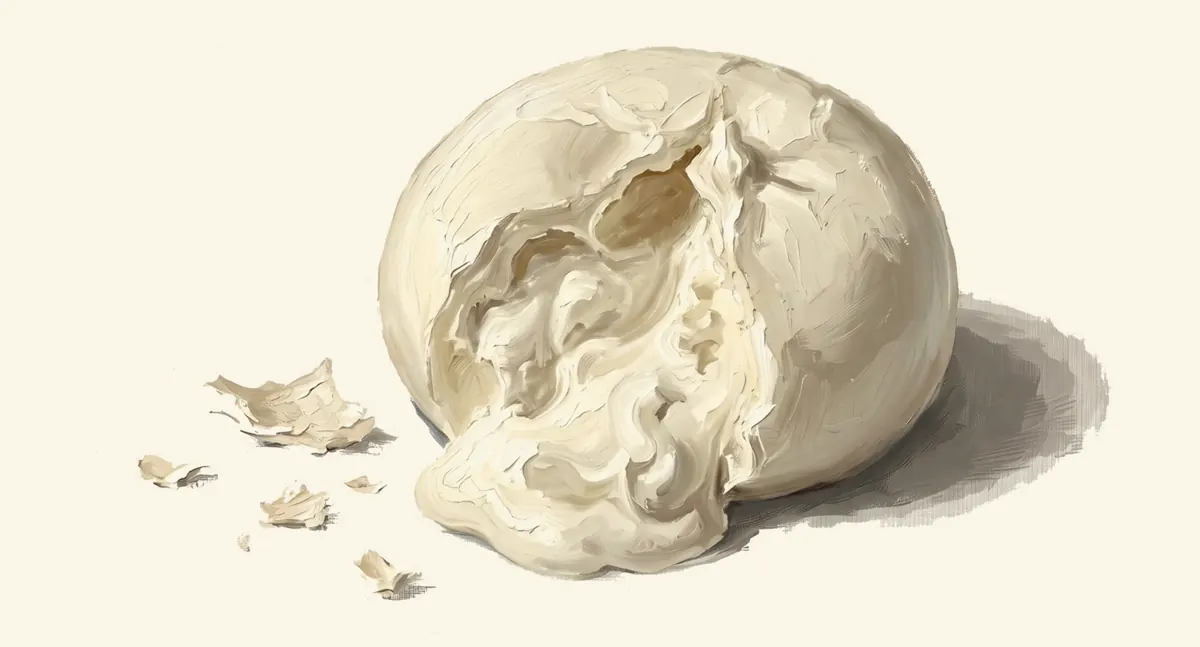
Burrata

Burrata, oil illustration

At the Table / Sofrada

With plain olive oil and sea salt, alongside a chilled crisp white wine. Or with tomato and basil, paired with an ice-cold lager.

Sade zeytinyağı ve deniz tuzuyla; kadeh olarak taze, soğutulmuş bir beyaz şarap ile. Bir yanda da domates ve fesleğenle, buzdolabından yeni çıkmış bir bira eşlik edebilir.

Origin / Köken

Burrata emerged in Puglia in the early 1900s. It began as a way to use up mozzarella scraps: the outer shell is spun from mozzarella curd and filled with cream and shredded mozzarella strands (stracciatella). A cheese born from a byproduct became a classic in its own right.

Burrata, 1900’lerin başında Puglia’da ortaya çıktı. Mozzarella üretiminden artan parçaları değerlendirmek için bulunmuş bir yöntem: dış kabuk mozzarella hamurundan örülür, içine krema ve ince mozzarella şeritleri (stracciatella) doldurulur. Artıktan doğan bir peynir, zamanla kendi başına bir klasik oldu.

At Manici / Manici’de

We build our burrata from mozzarella made with our own cows’ milk. The shell is hand-pulled and shaped, then filled with our own cream. It is made and shipped the same day; burrata’s value lies exactly there, in the freshness that flows out the moment it is cut.

Burratamızı kendi ineklerimizin sütünden yaptığımız mozzarellayla kuruyoruz. Kabuğu elde çekip örüyoruz, içini kendi kremamızla dolduruyoruz. Aynı gün üretilip aynı gün gönderiliyor; burratanın değeri de burada, kesildiği anda akan o tazelikte.

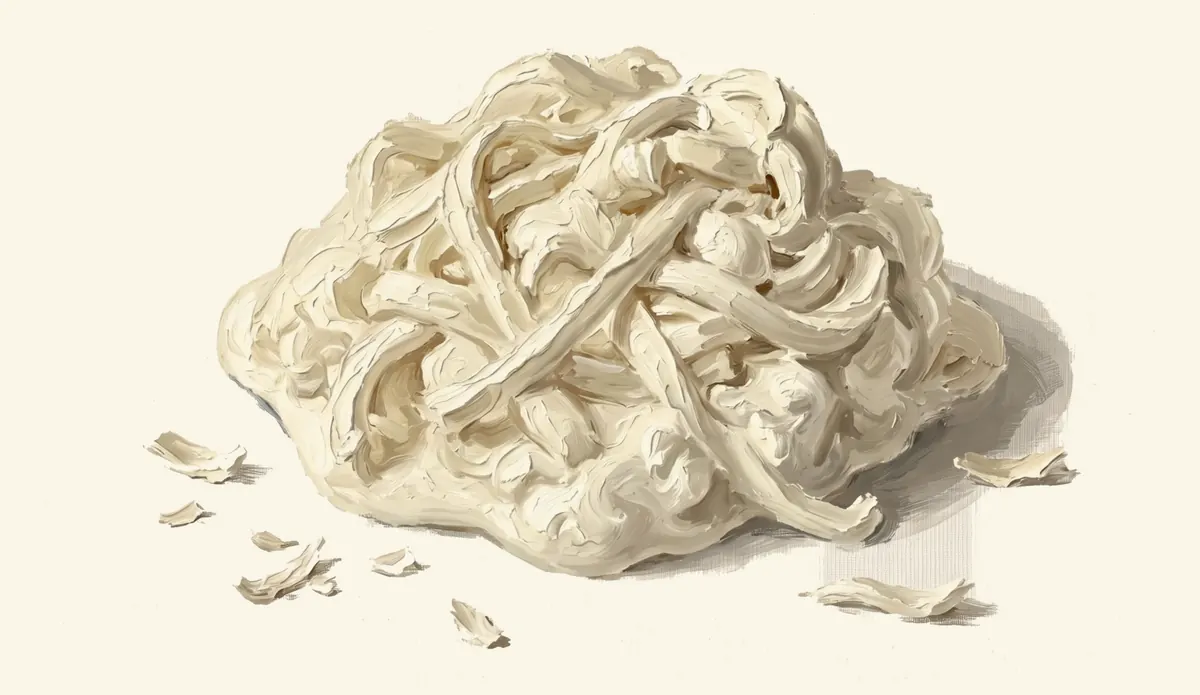
Stracciatella

Stracciatella, oil illustration

At the Table / Sofrada

On grilled bread with olive oil, paired with a light, mineral white wine. Or with summer tomatoes and oregano, alongside a chilled rosé.

Kızarmış ekmek ve zeytinyağıyla; hafif, mineralli bir beyaz şarap iyi gider. Yaz domatesi ve kekikle de, soğuk bir rosé eşlik edebilir.

Origin / Köken

Stracciatella takes its name from the Italian “stracciare,” to tear or shred. It belongs to the same Puglia tradition: the mixture that fills burrata also stands on its own at the table.

Stracciatella adını, İtalyanca’da yırtmak anlamına gelen “stracciare” kelimesinden alır. Aynı Puglia geleneğinin parçasıdır: burratanın içini dolduran karışım, tek başına da bir ürün olarak sofraya gelir.

At Manici / Manici’de

We hand-tear our fresh mozzarella and fold it into our own cream. Its coarse texture and gentle salt are the character of this product; it undergoes no further processing.

Taze mozzarellamızı elle yırtıp kendi kremamızla karıştırıyoruz. Kaba dokusu ve yumuşak tuzu bu ürünün karakteri; başka hiçbir işlem görmüyor.

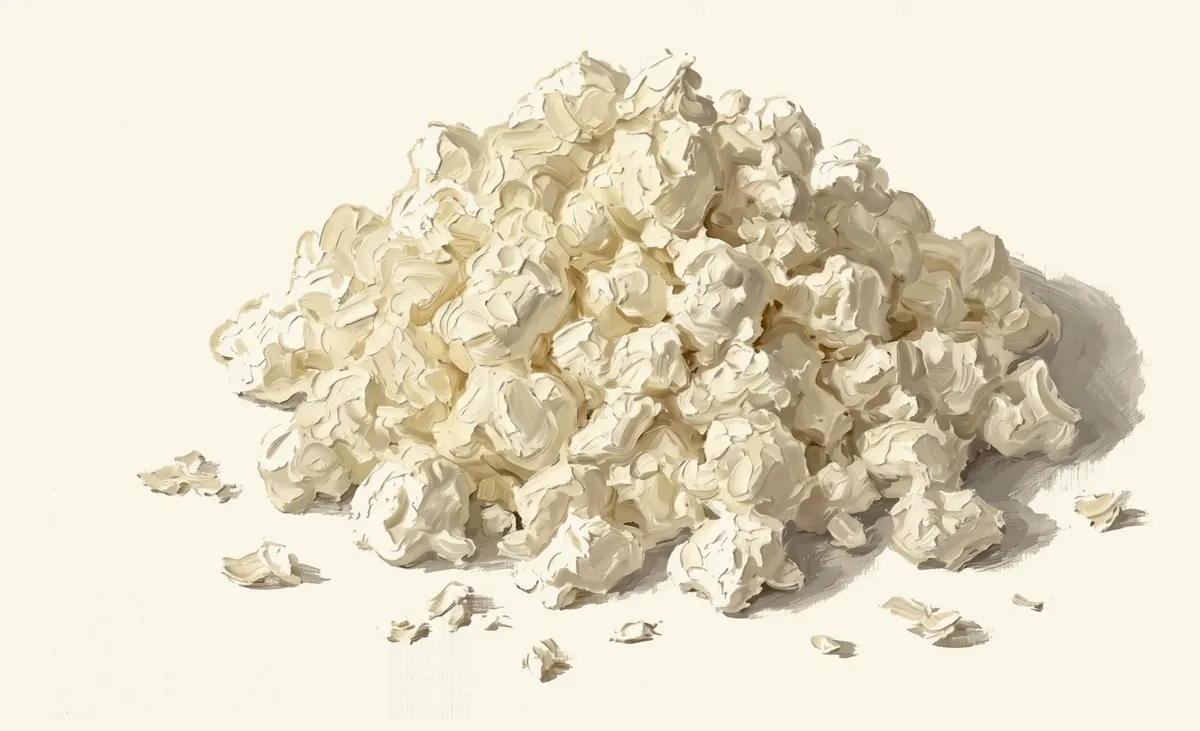
Çökelek

Çökelek, oil illustration

At the Table / Sofrada

At the breakfast table with dried mint and olive oil, alongside strong unsweetened tea. Or with walnut bread, paired with a light dry cider.

Kuru nane ve zeytinyağıyla kahvaltı sofrasında; yanında şekersiz, sert bir çay iyi gider. Cevizli ekmekle de, hafif bir elma şarabı eşlik edebilir.

Origin / Köken

Çökelek is an Anatolian tradition that makes use of the buttermilk left over from butter-making. The buttermilk is heated until it curdles, and the strained curd becomes a cheese that keeps on the table for days.

Çökelek, Anadolu’nun tereyağı üretiminden artan yayıkaltını (ayranı) değerlendiren bir gelenektir. Isıtılan yayıkaltı kesilir, süzülen kesik günlerce sofrada kalabilecek bir peynire dönüşür.

At Manici / Manici’de

We heat and curdle the buttermilk left from our own butter-making, then strain it in cloth. A plain cheese with nothing added; its salt is adjusted at the table.

Tereyağı yaparken kalan yayıkaltını ısıtıp kesiyoruz, bez torbada süzüyoruz. Katkısız, sade bir peynir; tuzu serviste ayarlanır.

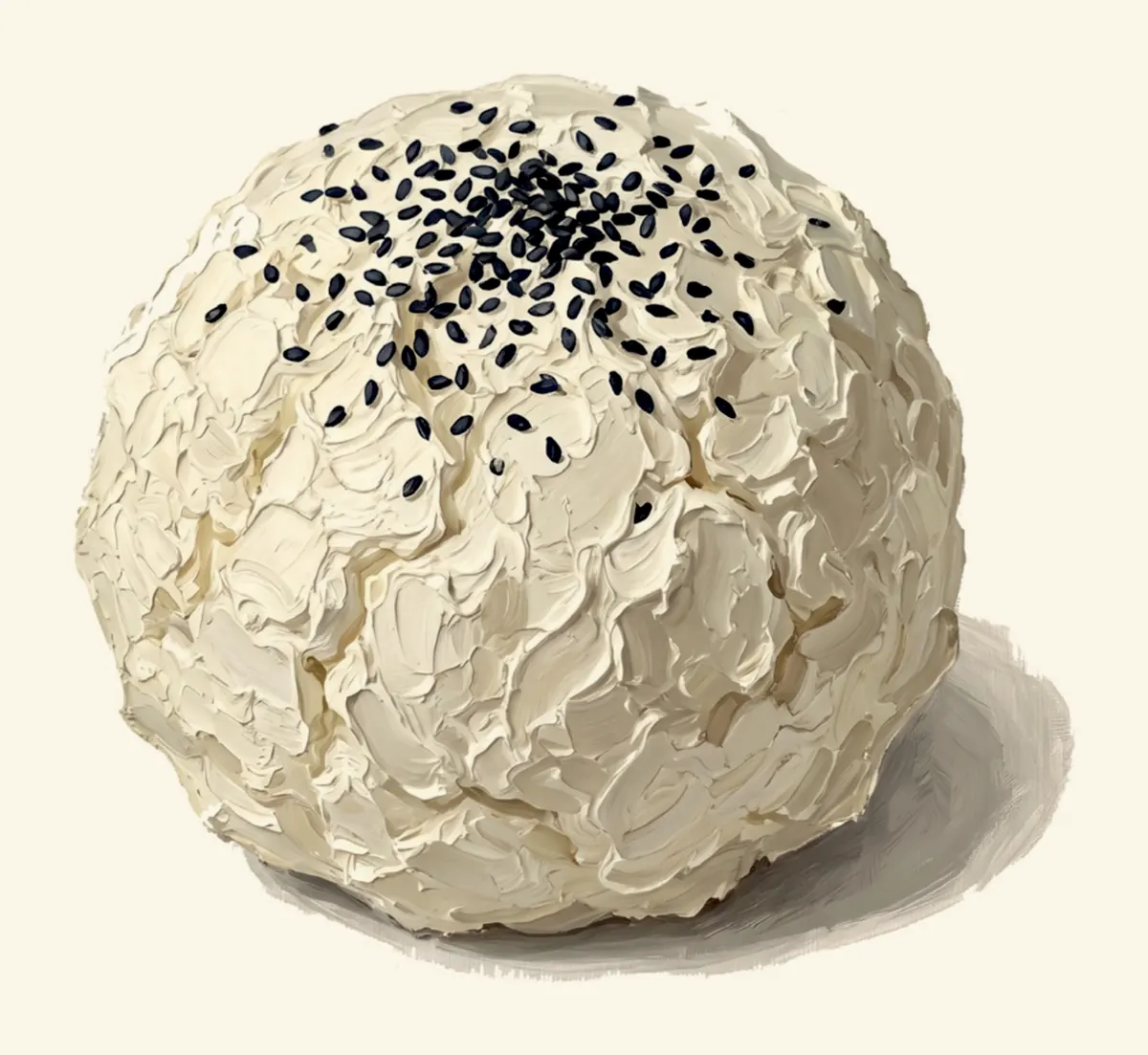
Whey Cheese

Lor Peyniri

Whey Cheese, oil illustration

At the Table / Sofrada

With honey and crushed hazelnuts for a sweet breakfast, alongside a light muscat wine. On the savoury side, with roasted peppers, paired with a dry white wine.

Bal ve dövülmüş fındıkla tatlı bir kahvaltıda; yanında hafif bir muskat şarabı iyi gider. Tuzlu tarafta ise közlenmiş biberle, kuru beyaz şarap eşlik edebilir.

Origin / Köken

Lor is made by reheating the whey left over from other cheese production. In Italy it is called ricotta, in Anatolia lor; both rest on the same principle, a second cheese drawn from the remains of the first.

Lor, diğer peynirlerin üretiminden arta kalan peynir suyunun tekrar ısıtılmasıyla çıkar. İtalya’da ricotta, Anadolu’da lor adını alır; her ikisi de aynı mantığa dayanır: bir peynirin artığından ikinci bir peynir.

At Manici / Manici’de

We heat the whey produced daily at the dairy and collect the proteins that rise to the surface. A light, neutral, unprocessed cheese that moves just as easily into sweet recipes as into savoury ones.

Mandırada günlük çıkan peynir suyunu ısıtıp yüzeye çıkan proteinleri topluyoruz. Hafif, nötr, işlenmemiş bir peynir; tatlı ve tuzlu tariflere eşit rahatlıkla giriyor.

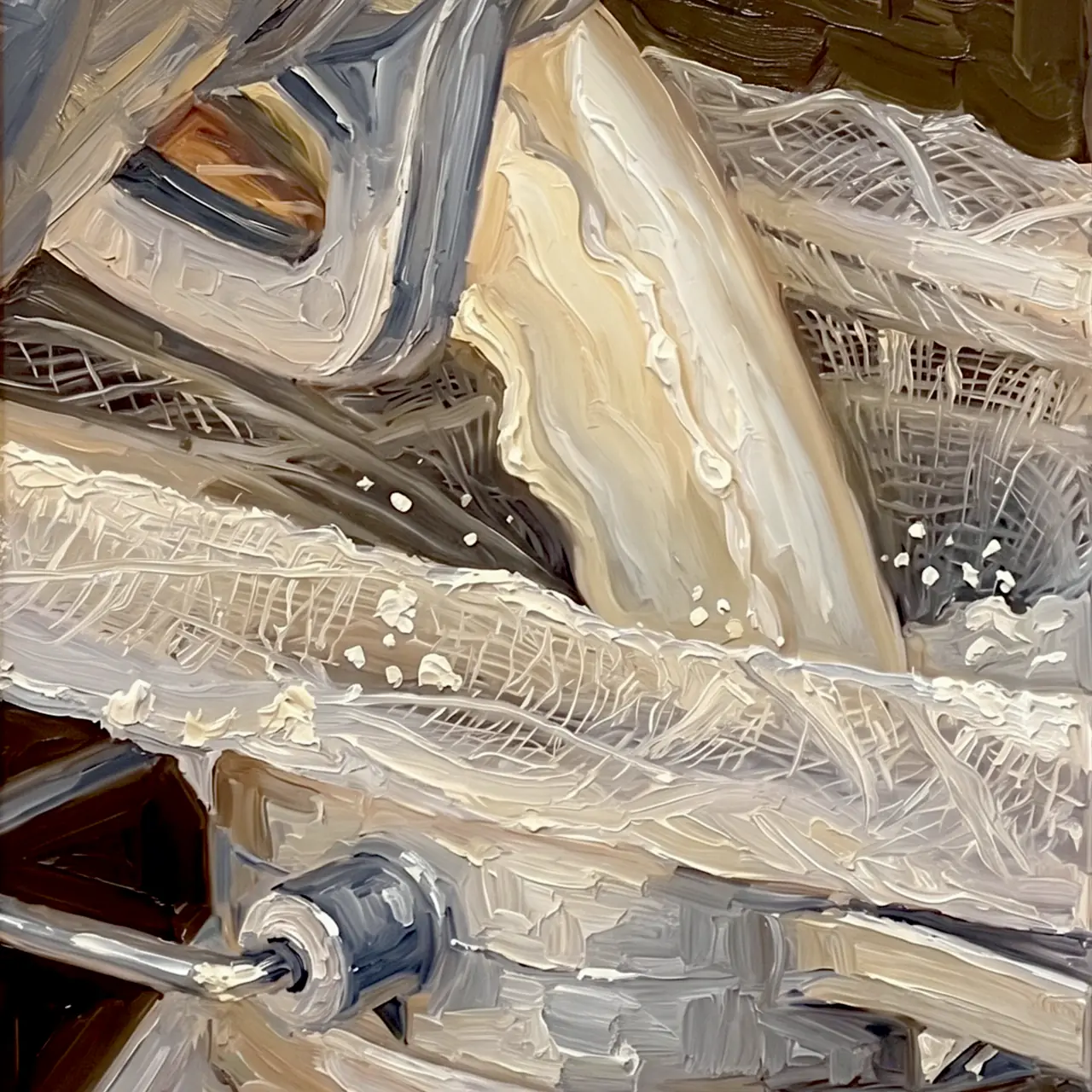
Oil painting: fresh cheese draining in muslin

Fresh Dairy Products / Taze Süt Ürünleri

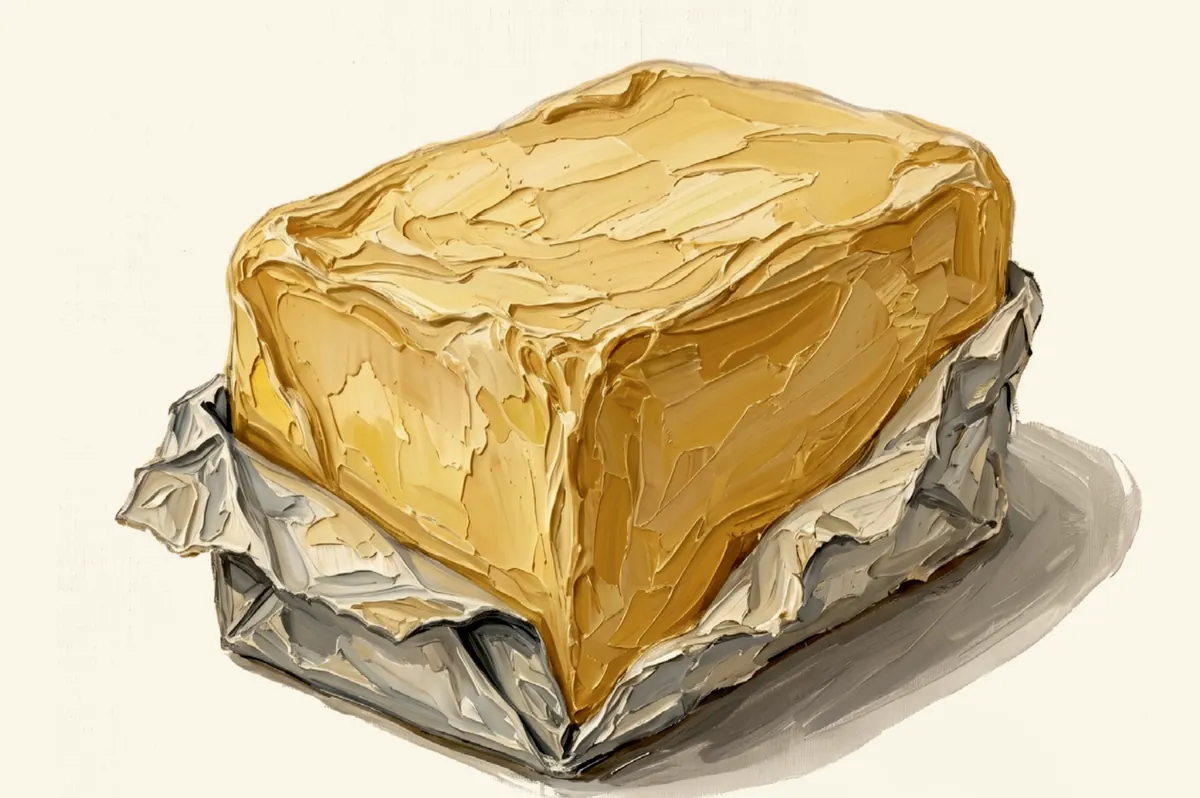
Butter

Tereyağı

Separated by churning cream; the oldest product on the table.Kremanın yayıklanmasıyla ayrılan, sofranın en eski ürünü.

Butter, oil illustration

Salted · Smoked · Churned · CreamTuzlu · İsli · Yayık · Krema

Origin / Köken

Butter is one of the oldest ways of processing milk; it rests on separating fat from water by agitating cream. The method has stayed the same for thousands of years, only the churning tools have changed.

Tereyağı, sütün en eski işlenme biçimlerinden biridir; kremanın çalkalanmasıyla yağın sudan ayrılması esasına dayanır. Yöntem binlerce yıldır aynı, değişen yalnızca çalkalama araçları.

At Manici / Manici’de

We make butter two ways: directly from cream, or from the fat separated out of yoğurt. The cream is churned until the fat separates from the buttermilk, then washed and worked. Nothing added, no salt.

Tereyağını iki yoldan yapıyoruz: doğrudan kremadan, ya da yoğurttan ayrılan yağdan. Krema yayıkta çalkalanıp yağ suyundan ayrılır, yıkanıp yoğrulur. Katkısız, tuzsuz.

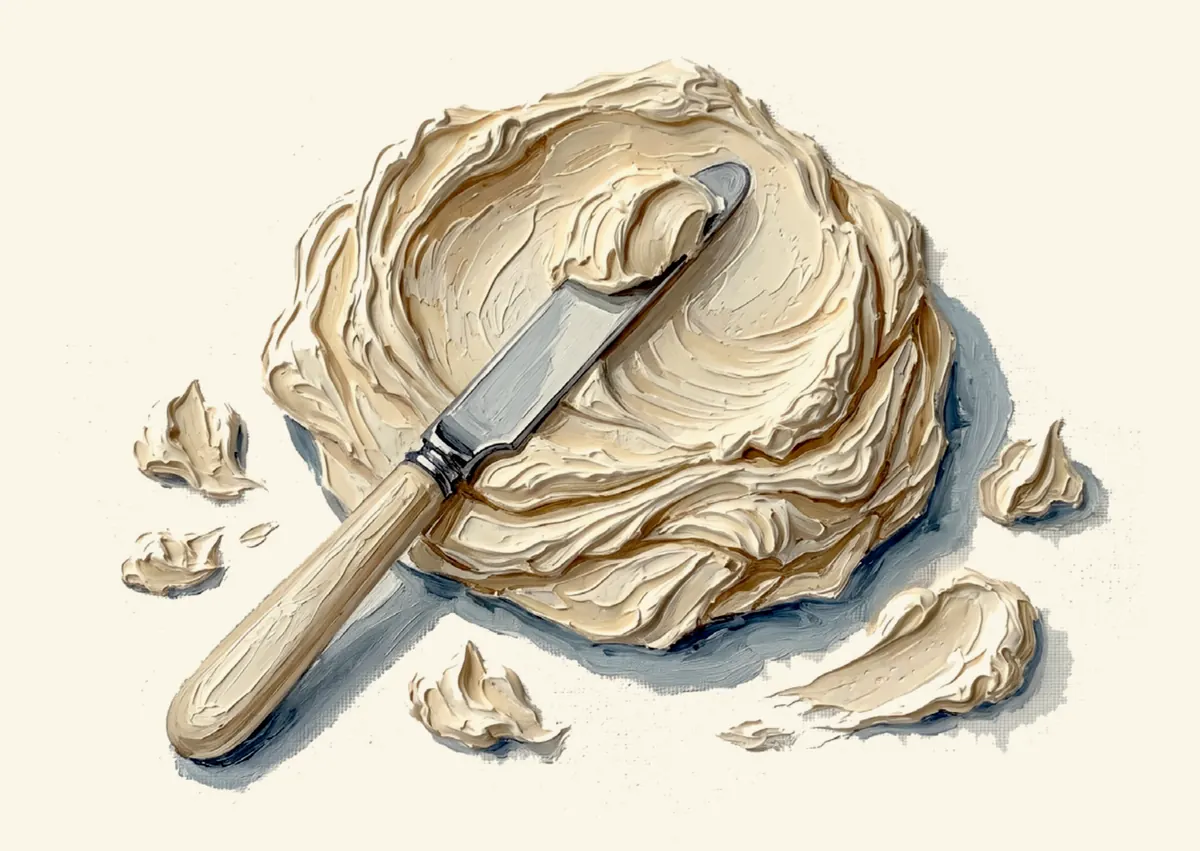
Clotted Cream

Kaymak

The thick cream that layers on top of scalded milk.Kaynamış sütün üzerinde katmanlanan yoğun krema.

Clotted Cream, oil illustration

Origin / Köken

Kaymak is a dairy tradition shared across Anatolia and Central Asia. Milk is simmered slowly and left to rest for a long time; the fat that gathers on the surface thickens layer by layer.

Kaymak, Anadolu ve Orta Asya’nın ortak süt geleneklerinden biridir. Süt yavaş yavaş kaynatılıp uzun süre dinlendirilir; yüzeyde biriken yağ katman katman kalınlaşır.

At Manici / Manici’de

We simmer full-fat milk slowly and let it cool in wide trays. After resting overnight, a thick layer sets on the surface; we lift it off by hand.

Tam yağlı sütü yavaş ateşte kaynatıp geniş tepsilerde soğumaya bırakıyoruz. Bir gece dinlenen sütün yüzeyinde kalın bir tabaka bağlar; onu elle sıyırıp topluyoruz.

Yogurt

Yoğurt

Milk thickened by fermentation; the everyday product of the table.Sütün mayalanmasıyla kıvam kazanan, sofranın günlük ürünü.

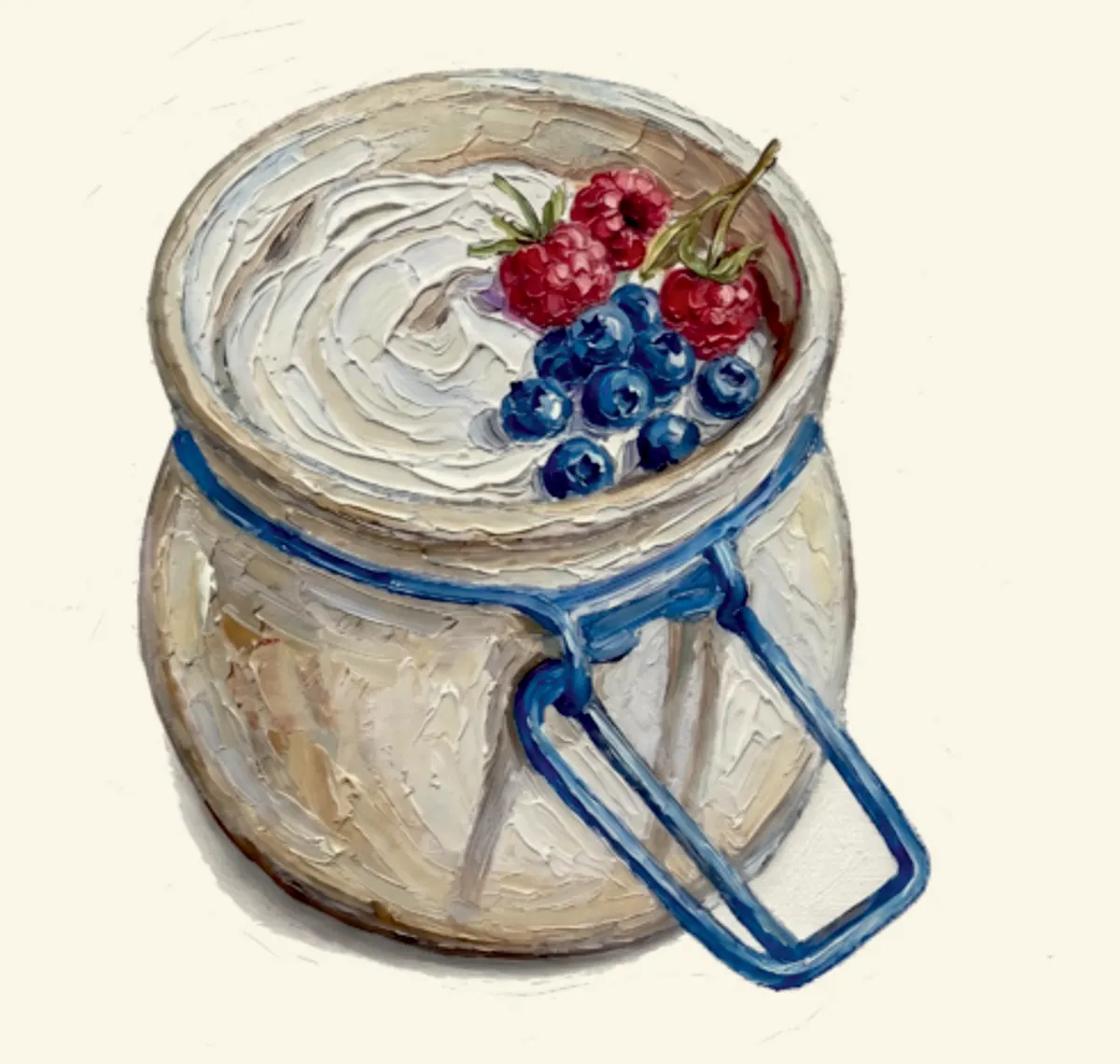
Yogurt, oil illustration

Origin / Köken

Yoğurt is a shared heritage of Central Asia and Anatolia; even its name is Turkish in origin and has passed into other languages unchanged. It rests on milk being fermented with live cultures until it thickens.

Yoğurt, Orta Asya ve Anadolu’nun ortak mirasıdır; adı bile Türkçe kökenli ve dünya dillerine bu haliyle geçmiş. Sütün canlı kültürlerle mayalanıp kıvam kazanmasına dayanır.

At Manici / Manici’de

We ferment full-fat milk and let it set the traditional way. Its thickness comes from the milk’s own fat content.

Tam yağlı sütü mayalayıp geleneksel yöntemle dinlendiriyoruz. Kıvamını sütün kendi yağ oranından alır.

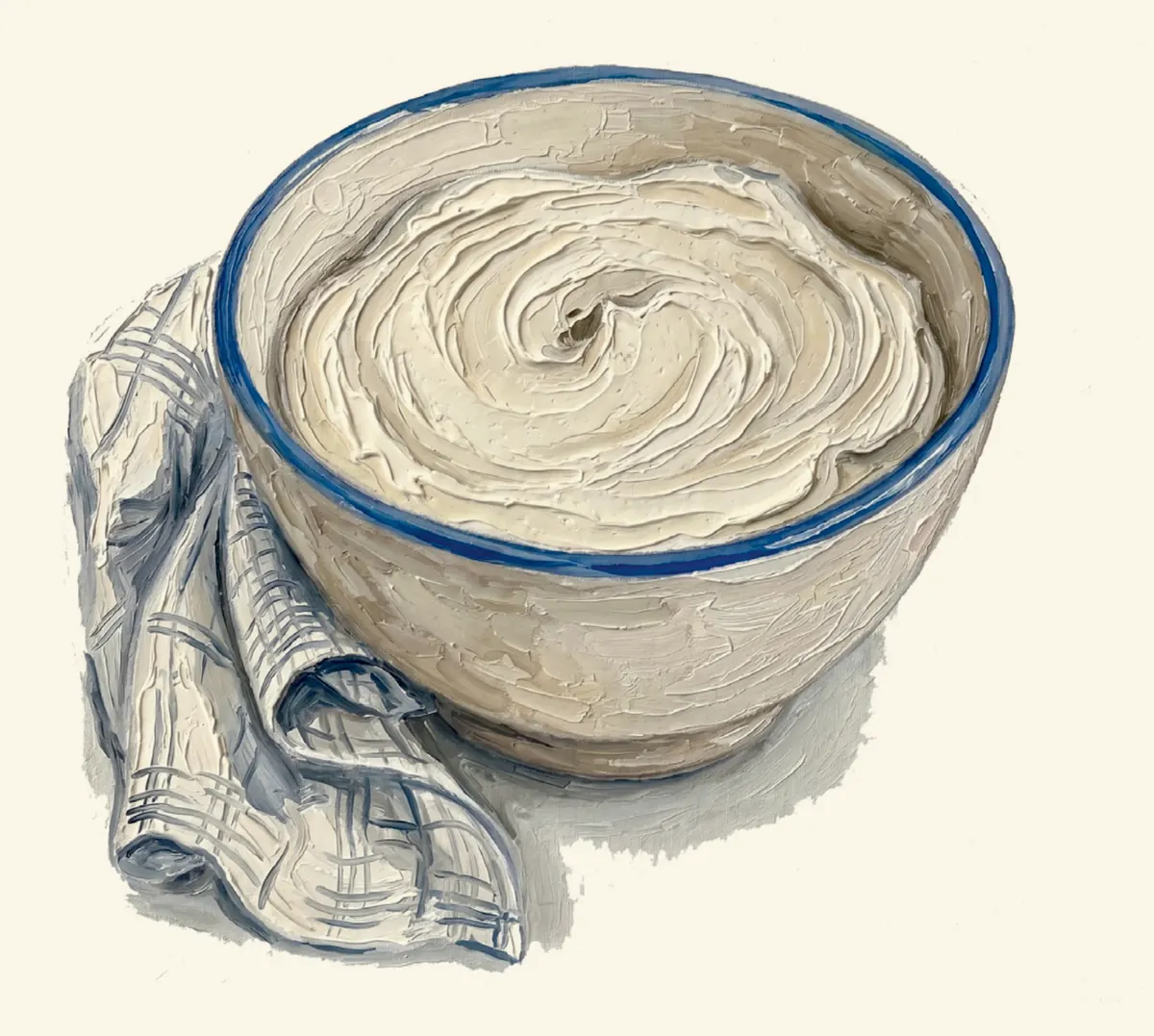
Strained Yogurt

Süzme Yoğurt

Yogurt strained of its whey; a denser, richer form.Suyu süzülüp yoğunlaşan, yoğurdun daha koyu hali.

Strained Yogurt, oil illustration

Origin / Köken

Süzme yoğurt is yoğurt thickened by straining off its whey in cloth. The same method, known in Greek cuisine as “straggisto,” has long been practised in Anatolia.

Süzme yoğurt, yoğurdun suyunun bez torbada süzülüp ayrılmasıyla yoğunlaşmış halidir. Yunan mutfağında “straggisto” adıyla bilinen bu yöntem, Anadolu’da uzun zamandır uygulanır.

At Manici / Manici’de

We strain our own yoğurt in cloth for hours. As the whey drains off it thickens, reaching a density that holds its shape on a spoon.

Kendi yoğurdumuzu bez torbada saatlerce süzüyoruz. Suyu ayrıldıkça koyulaşır, kaşıkta duracak bir yoğunluğa gelir.

Where to taste them

The dairy’s cheeses go into the kitchen of Hasat Restaurant and onto the farm’s breakfast table. In the cheese workshops you can see the dairy up close.

Hasat Restoran Cheese workshop The book as a PDF (2.8 MB)

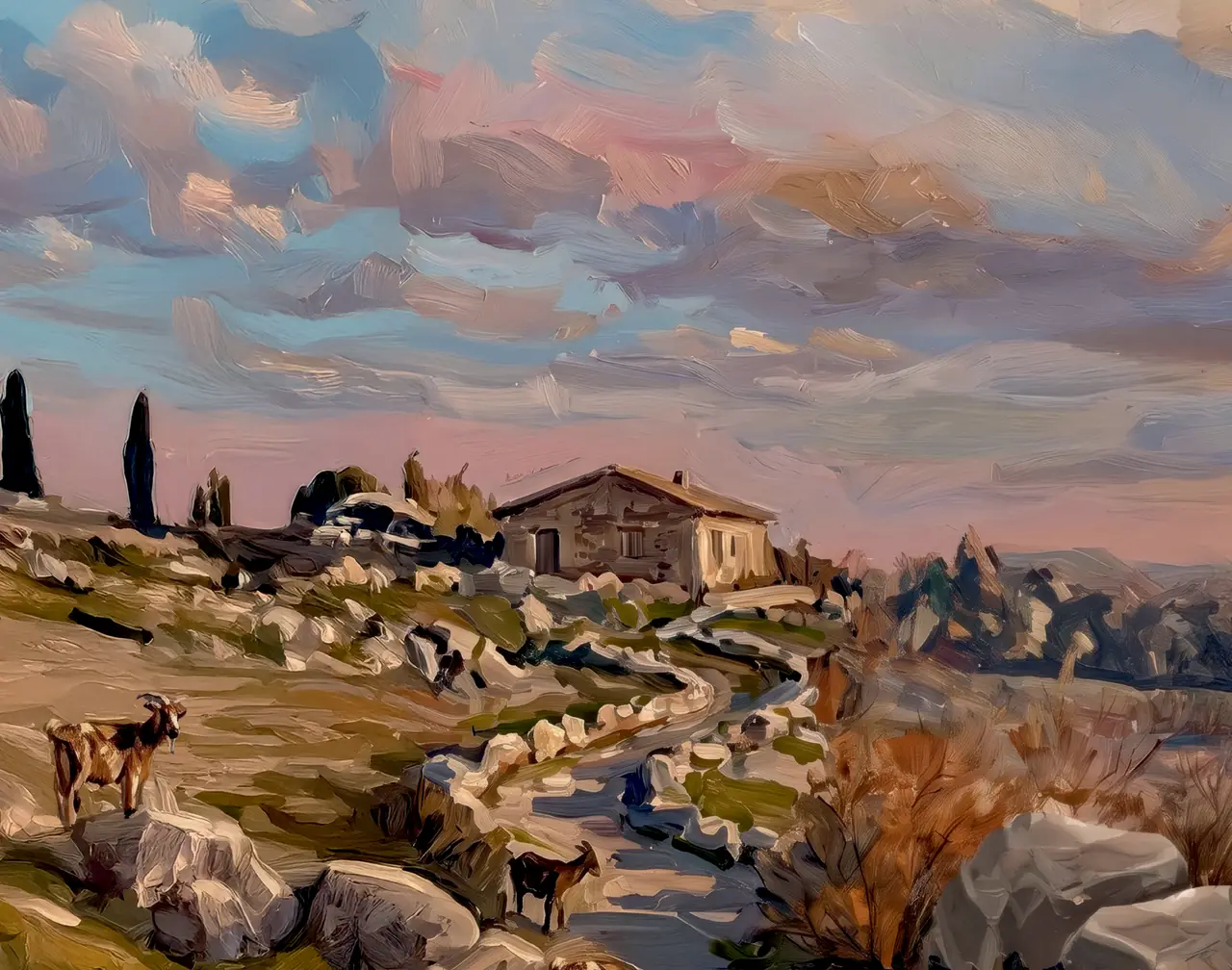
Oil painting: a stone house on a hill at sunset, with cypress trees and goats
Instagram
@maniciciftlik
Web
www.maniciciftlik.com
Phone / Telefon
+90 544 207 11 09
Mail
info@maniciciftlik.com
Address / Adres
Köy Sokağı No 152-8, 17860 İlyasfakı/Ayvacık/Çanakkale

Çanakkale

Cookie preferences

We use cookies to improve the site and to measure whether our ads work. Non-essential cookies run only with your consent. Cookie policy